Signs and Symptoms of Addiction: How to Recognize Substance Abuse

Signs and symptoms of addiction manifest through distinct physical, behavioral, and emotional changes that signal compulsive substance use despite harmful consequences. Physical signs include bloodshot eyes, weight fluctuations, deteriorating hygiene, and sleep disruption. Behavioral symptoms involve increased secrecy, financial problems, responsibility neglect, and social withdrawal.
Emotional indicators encompass mood instability, anxiety, depression, and emotional numbing. The brain’s reward system undergoes neuroadaptation during addiction development, affecting decision-making and impulse control. Multiple simultaneous signs across categories indicate severe addiction requiring professional intervention. Early recognition within the first year improves treatment success by 60-70%.
Assessment of signs and symptoms of addiction determines appropriate care levels addressing physical dependence, psychological factors, and behavioral patterns. Family recognition of warning signs facilitates timely professional help. Understanding addiction as a chronic disease reduces stigma and promotes recovery.
Key Highlights
- Physical signs of addiction emerge before behavioral changes become obvious, with bloodshot eyes, unexplained weight fluctuations, disrupted sleep patterns, and declining personal hygiene.
- Emotional addiction represents a distinct form of psychological dependence where individuals rely on substances for mood regulation, stress relief, and emotional coping.
- Behavioral indicators demonstrate loss of control through increased secrecy about whereabouts and activities, escalating financial problems and social circle shifts toward other substance users.
- The presence of three or more concurrent signs and symptoms of addiction across physical, behavioral, and emotional categories indicates severe addiction requiring immediate professional intervention.
- Early recognition and intervention within the first year of problematic substance use increases long-term treatment success rates by 60-70% compared to delayed intervention.
Did you know most health insurance plans cover substance use disorder treatment? Check your coverage online now.
What Are the Signs and Symptoms of Addiction?
Addiction signs are observable external changes. Symptoms are internal experiences the person reports.
Signs of addiction include physical appearance changes, behavioral alterations, and social functioning decline. Healthcare providers and family members identify these indicators. Bloodshot eyes, weight loss, and tremors represent physical signs. Secrecy, financial problems, and isolation demonstrate behavioral signs.
Symptoms of addiction encompass cravings, mood changes, and psychological distress. The affected individual experiences and reports these internal states. Anxiety, depression, and emotional numbing constitute common symptoms.
The DSM-5 classifies addiction severity by symptom count. Mild disorder involves 2-3 symptoms. Moderate disorder presents 4-5 symptoms. Severe addiction shows 6 or more symptoms.
Brain neuroadaptation plays a central role in addiction development, as changes in brain chemistry and addiction pathways disrupt normal functioning. Key neurotransmitter systems, including dopamine, GABA, and glutamate, become dysregulated over time. These chemical alterations reinforce compulsive substance use patterns.
What Are the Physical Signs and Symptoms of Substance Abuse?
Physical indicators of sunstance abuse manifest as visible bodily changes ioncluding dilated pupils, weight changes and dental issues. Substance effects alter organ system function.
The following are the physical signs and symptoms of addiction:
- Changes in eyes: Eyes reveal substance use clearly. Bloodshot or glassy eyes indicate recent use. Opioids constrict pupils to pinpoint size. Stimulants dilate pupils abnormally. Jaundice yellows eyes from liver damage.
- Changes in skin: Skin shows visible deterioration. Methamphetamine causes picking sores. Injection drug use leaves track marks. Wounds heal poorly. Premature aging appears rapidly.
- Changes in weight: Weight fluctuates dramatically. Stimulants and opioids cause rapid loss. Alcohol and marijuana increase weight. Malnutrition becomes visible. Muscle wasting occurs.
- Problems in teeth: Dental health declines severely. Methamphetamine creates “meth mouth” deterioration. Tooth decay accelerates. Gum disease develops. Bad breath persists.
- Changes in sleep: Stimulants prevent normal sleep. Insomnia becomes chronic. Depressants disrupt sleep architecture despite initial drowsiness. Irregular schedules develop. Daytime exhaustion follows nighttime wakefulness.
- Changes in energy: Energy levels alternate abnormally. Hyperactivity precedes exhaustion crashes. Persistent lethargy indicates depressant use. Normal activity maintenance becomes impossible.
- Changes in motorskills: Coordination suffers under substance influence. Gait becomes unsteady. Speech slurs noticeably. Hands develop tremors. Movements turn jerky or erratic. Facial tics appear.
- Changes in eating habits: Appetite regulation fails. Stimulants eliminate hunger. Marijuana intensifies cravings. Meal patterns become irregular. Nutritional needs go unmet.
- Changes in vitals: Vital signs change measurably. Blood pressure elevates. Heart rate increases or becomes irregular. Body temperature rises. Sweating occurs without exertion. Breathing becomes shallow or slowed.
- Changes in personal habits: Personal hygiene deteriorates progressively. Appearance becomes unkempt. Body odor develops. Clothing stays dirty. Grooming stops. Oral care declines.
What Are the Behavioral Signs and Symptoms of Drug Abuse?
Behavioral signs and symptoms of drug abuse demonstrate addiction’s impact on decision-making resulting in financial crisis, neglect of respnisibiities and social isolation. Daily functioning and responsibility fulfillment suffer.
The following are the behavioral signs and symptoms of addiction:
- Secrecy and Deception: Individuals conceal activities, whereabouts, and relationships. Lying about location occurs frequently.
- Financial Crisis: Substance acquisition requires increasing money. Resources are redirected toward drug purchases, unexplained money needs arise constantly and borrowing becomes habitual.
- Responsibility Neglect: Obligation fulfillment declines sharply and work or school attendance drops.
- Social Circle Transformation: Peer groups shift toward substance users and previous friendships fade. Secrecy about companions intensifies.
- Activity Abandonment: Previously enjoyed pursuits lose appeal as substances become the primary focus.
- Risk-Taking Escalation: Impaired judgment produces dangerous actions and safety becomes secondary to substance use.
- Prescription Misuse: Medication abuse involves illegal acquisition. Multiple doctors get visited for identical complaints and early refills become routine.
- Tolerance and Control Loss: Increasing amounts become necessary for effects that results in drug quantity escalation over time.
Contact us today to schedule an initial assessment or to learn more about our services. Whether you are seeking intensive outpatient care or simply need guidance on your mental health journey, we are here to help.
What Are the Emotional and Psychological Signs and Symptoms of Addiction?
Emotional addiction involves psychological dependence inclusing mood instability, anxiety, deporession and paranoia. Mental health and emotional regulation suffer.
The following are the emotional and psychological signs of addiction:
- Mood Instability: Substance use disrupts emotional regulation and mood swings become unpredictable and extreme. Rapid emotional shifts occur without cause, irritability and agitation intensify and angry outbursts happen without provocation.
- Anxiety Intensification: Anxiety symptoms worsen during use and withdrawal and self-medication attempts address underlying anxiety disorders. Excessive worry dominates thinking and restlessness and tension persist.
- Depression Development: Substance abuse and depression coexist frequently. Brain chemistry alterations due to addiction and affect mood regulation. Persistent sadness continues, activity interest disappears and feelings of hopelessness emerge.
- Emotional Numbing: Chronic use of drugs blunts emotional responses. Normal emotional range disappears and replaced with flat affect. Emotional disconnection intensifies and “empty” or “dead inside” feelings persist.
- Paranoia and Suspicion: Stimulant use particularly causes paranoid thinking. Trust in others deteriorates and unwarranted suspicion develops. Delusional thinking appears.
- Impulsivity and Poor Judgment: Executive function impairment reduces planning capacity. Immediate gratification dominates thinking while consequence consideration disappears.
- Defensiveness and Denial: Defense mechanisms protect continued use of drugs beacuse confrontation triggers hostility.
- Shame and Guilt: Consequence awareness of drug abuse produces negative self-perception. These feelings paradoxically fuel continued use of drug and self-loathing gets expressed.
- Cravings and Preoccupation: Mental focus shifts toward substance acquisition and thoughts of drug dominate thinking.
What Are the Signs of Addiction by Substance Type?
The signs of addiction vary depending on the substance involved. Alcohol addiction, meth addiction, cocaine addiction, and opioid addiction each present distinct physical, psychological, and behavioural symptoms, though many share overlapping warning signs. Understanding these signs and symptoms of addiction is essential for early identification, accurate diagnosis, and effective treatment.
Signs of Alcohol Addiction
The physical signs of alcohol addiction include:
- Flushed face and bloodshot eyes
- Alcohol odor on breath
- Slurred speech and unsteady walking
- Morning hand tremors
- Memory blackouts
- Nausea and vomiting after heavy use
The behavioral signs of alcohol addiction include:
- Drinking larger amounts than intended
- Drinking alone or hiding alcohol use
- Morning or daily drinking
- Repeated failed attempts to quit
- Neglecting work, family, or personal responsibilities
The social and life impacts of alcohol addiction include:
- DUI arrests or legal problems
- Job loss or declining work performance
- Relationship conflict
- Drinking in dangerous situations
- Continued use despite clear harm
Rediscover Life at Olympic Behavioral Health
Get the compassionate support you deserve. We're here to help you reclaim joy, wellness, and a brighter future.
Our Facility
Signs of Cannabis Addiction
The physical signs of cannabis addiction include:
- Bloodshot eyes and dry mouth
- Increased appetite
- Lethargy and low motivation
- Poor coordination and slow reaction time
- Memory and concentration problems
- Persistent cannabis odor on clothing
The behavioral signs of cannabis addiction include:
- Frequent absences or declining performance
- Possession of paraphernalia
- Using in risky situations
- Lying about frequency or amount of use
- Spending significant money on cannabis
- Unsuccessful quit attempts
The social and life impacts of cannabis addiction include:
- Withdrawal from family and friends
- New peer groups centered around substance use
- Loss of interest in hobbies
- Financial strain
- Relationship problems
Signs of Opioid Addiction
The physical signs of opioid addiction include:
- Pinpoint pupils
- Drowsiness or nodding off
- Slowed or shallow breathing
- Constipation and nausea
- Weight changes
- Injection track marks
- Flu-like withdrawal symptoms
The behavioral signs of opioid addiction include:
- Doctor shopping or early prescription refills
- Crushing pills to snort or inject
- Mixing opioids with alcohol or sedatives
- Stealing medications
- Declining work or school performance
- Secretive or deceptive behavior
The social and life impacts of opioid addiction include:
- Isolation from family and friends
- Loss of interest in normal activities
- Relationship breakdown
- Abandonment of responsibilities
- Association with drug-using peers
Signs of Benzodiazepine Addiction
The physical signs of benzo addiction include:
- Extreme drowsiness
- Confusion and dizziness
- Blurred vision
- Slurred speech
- Poor coordination
- Memory problems and impaired judgment
The behavioral signs of benzo addiction include:
- Taking higher doses than prescribed
- Appearing intoxicated without alcohol
- Difficulty managing daily responsibilities
- Increased irritability or anger
- Stealing medication or doctor shopping
- Combining benzodiazepines with alcohol
The social and life impacts of benzo addiction include:
- Withdrawal from social activities
- Relationship neglect
- Financial difficulties
- Job or academic failure
- Legal problems
Are you covered for treatment?

Olympic Behavioral Health is an approved provider for Blue Shield and Tufts while also accepting many other major insurance carriers.
Check Coverage Now!Signs of Methamphetamine Addiction
The physical signs of meth addiction include:
- Dilated pupils and rapid eye movement
- Skin sores from compulsive picking
- Severe dental damage (“meth mouth”)
- Extreme weight loss
- Burns on lips or fingers
- Rapid heart rate and elevated body temperature
The behavioral signs of meth addiction include:
- Hyperactivity and twitching
- Paranoia and hallucinations
- Agitation, aggression, or violence
- Erratic sleep patterns
- Compulsive or repetitive behaviors
The social and life impacts of meth addiction include:
- Severe isolation
- Loss of relationships
- Financial collapse
- Criminal behavior
- Job loss or chronic unemployment
Signs of Cocaine Addiction
Physical signs
- Dilated pupils
- High blood pressure and rapid heart rate
- Excessive sweating
- Frequent nosebleeds
- Loss of appetite and weight loss
- Insomnia
- Nasal damage from chronic snorting
Behavioral signs
- Bursts of energy followed by crashes
- Increased risk-taking
- Agitation and irritability
- Inability to control use
- Repeated failed attempts to quit
- Borrowing or stealing money
Social and life impacts
- Impulsive or reckless behavior
- Lying about whereabouts
- Social withdrawal
- Loss of interest in relationships
- Association with other drug users
Addiction Treatment and Recovery
Addiction treatment include behavioral therapies, medication-assisted treatment, inpatient rehab, outpatient rehab and after care programs.
Medical detoxification provides supervised withdrawal management. Duration typically lasts 5-10 days. Components include 24/7 medical monitoring, symptom relief medication, vital sign tracking, nutritional support, and complication safety.
Behavioral therapies include cognitive-behavioral therapy, motivational interviewing, contingency management, family therapy, and group counseling. Medication-assisted treatment for opioid addiction uses buprenorphine, methadone, or naltrexone. Alcohol addiction treatment employs naltrexone, acamprosate, or disulfiram. These medications reduce relapse by 50% or more.
Treatment settings range from inpatient residential (30-90 days), partial hospitalization (20+ hours weekly), intensive outpatient (9-19 hours weekly), to standard outpatient (1-8 hours weekly). Continuing care requires aftercare programs, support groups, therapy continuation, sober living environments, relapse prevention planning, and lifestyle modifications. Treatment effectiveness shows 40-60% maintain long-term recovery with comprehensive approaches.
Sources
- American Psychiatric Association. (2013). Diagnostic and Statistical Manual of Mental Disorders (5th ed.). American Psychiatric Publishing.
- National Institute on Drug Abuse. (2020). Drugs, Brains, and Behavior: The Science of Addiction. National Institutes of Health.
- Ducci, F., & Goldman, D. (2012). The Genetic Basis of Addictive Disorders. Psychiatric Clinics of North America, 35(2), 495-519.
- Hartney, E., Coombs, T., & Mellish, L. (2023). Signs and Symptoms of Addiction: How to Recognize if Addiction May Exist. Addiction Science & Clinical Practice, 18(1), 45-62.
- Substance Abuse and Mental Health Services Administration. (2020). Key Substance Use and Mental Health Indicators in the United States: Results from the 2019 National Survey on Drug Use and Health. SAMHSA.
- Volkow, N. D., Koob, G. F., & McLellan, A. T. (2016). Neurobiologic Advances from the Brain Disease Model of Addiction. New England Journal of Medicine, 374(4), 363-371.
- American Society of Addiction Medicine. (2020). The ASAM Principles of Addiction Medicine (6th ed.). Wolters Kluwer.
- McLellan, A. T., Lewis, D. C., O’Brien, C. P., & Kleber, H. D. (2000). Drug Dependence, a Chronic Medical Illness: Implications for Treatment, Insurance, and Outcomes Evaluation. JAMA, 284(13), 1689-1695.
Share This Post

Adam Siegel
View profile
Lisa Alleva
View profile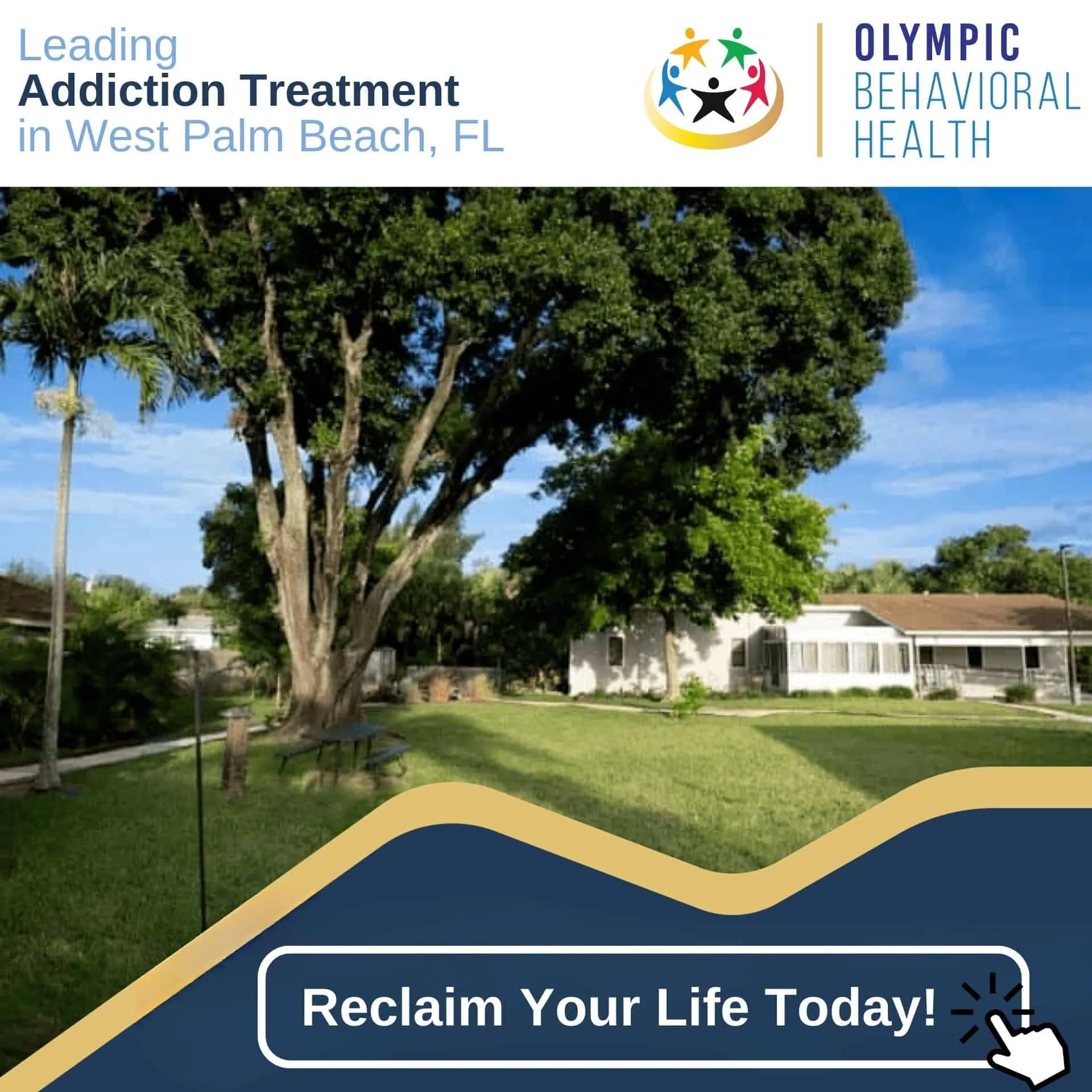
Treatments we offer:
Are you covered for treatment?








Olympic Behavioral Health is an approved provider for Blue Shield and Tufts, while also accepting many other major insurance carriers.
Check Coverage Now!