
Cognitive Behavioral Therapy
CBT works on what an OCD ritual is believed to prevent. Each belief gets tested against what happens when the ritual is delayed.

★★★★★ 4.8 · 170+ Google Reviews · JCAHO Accredited · LegitScript Certified · BBB A+ · Serving West Palm Beach & Palm Beach County
Olympic Behavioral Health treats obsessive-compulsive disorder at its OCD treatment center, 3618 Lantana Road in Lantana, Florida, 12 miles south of West Palm Beach, serving Palm Beach County.
Obsessive-compulsive disorder is obsessions and compulsions taking more than one hour a day, which is the DSM-5 diagnostic threshold.
Our DCF-licensed, JCAHO-accredited OCD therapy pairs cognitive behavioral therapy with structured exposure work for adults aged 18 to 65, at partial hospitalization (PHP), intensive outpatient (IOP) and outpatient (OP). A certified family nurse practitioner reviews medication on site, and the target is the hours the rituals have taken.
If you are thinking about harming yourself, call or text 988 for the Suicide and Crisis Lifeline. It answers at any hour.
"*" indicates required fields




Measured, Not Estimated
Olympic Behavioral Health counts progress in OCD treatment as time given back to the day, not as sessions attended. This OCD treatment center admits adults aged 18 to 65 across three outpatient levels.
The one-hour DSM-5 threshold is a floor, not an average. Ruscio and colleagues' 2010 analysis of the National Comorbidity Survey Replication, published in Molecular Psychiatry, puts the average at 5.9 hours a day taken by obsessions and 4.6 hours a day spent on compulsions. Olympic Behavioral Health writes each OCD plan against the hours a client actually reports, not against the threshold.
OCD moved out of the anxiety disorders chapter in 2013 into Obsessive-Compulsive and Related Disorders. The distinction is practical, because worry answers to one set of methods and OCD rituals answer to another.
Olympic Behavioral Health runs three outpatient levels so the hours of OCD treatment match the hours the compulsions hold.

Most people know the washing and the checking. The rest go unnamed for years, usually because they feel too shameful to say out loud to anybody. Pick whichever is closest and see what it actually is.
Which of these is nearest to yours?
Unwanted thoughts about harm
Detail appears here.
What it is not. Appears here.
What the work is aimed at. Appears here.
This is information, not reassurance. Reading it once is useful. Coming back to re-read it until it feels settled is the compulsion itself, and that loop is what the work here is aimed at. Nothing is scored, nothing is timed, and no hours are counted.
Admission Criteria
Olympic Behavioral Health admits adults aged 18 to 65 into OCD treatment after a phone assessment and clinical review, and requires medical stability at the outpatient level. The assessment establishes how much of the day compulsions hold.
The National Institute of Mental Health's "Obsessive-Compulsive Disorder" statistics put past-year prevalence among United States adults at 1.2 percent on data collected from 2001 to 2003, and record serious impairment in 50.6 percent of those cases. Olympic Behavioral Health accepts adults into OCD treatment on any of these five patterns:
Say the Part You Have Never Said
A phone assessment for OCD treatment costs nothing and settles the level of care in about 30 minutes.
The First Month
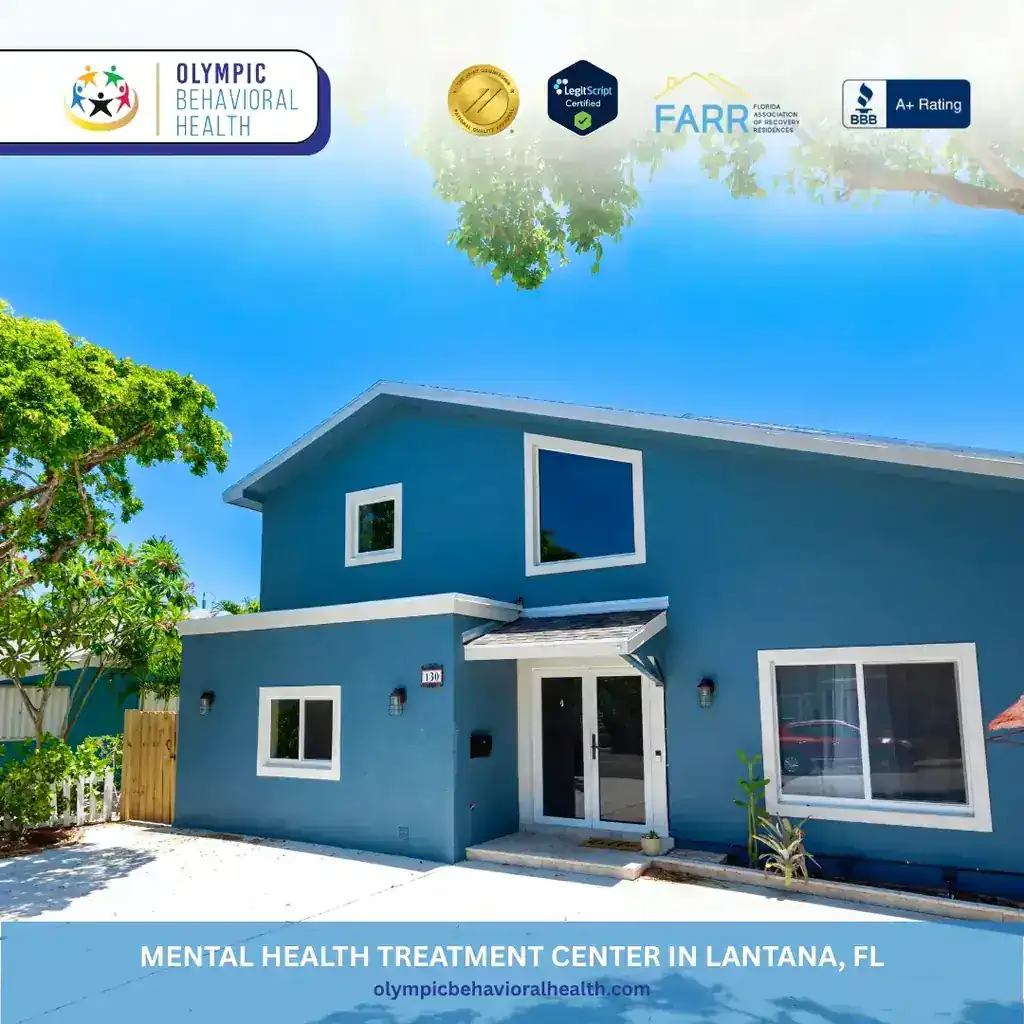
The first month of OCD therapy maps the rituals before it interrupts any of them. Every level carries weekly individual therapy of 50 minutes to 1 hour plus daily groups, and Olympic Behavioral Health assigns the primary therapist who holds the OCD case through every level change on the day of admission.
Client and therapist write down which compulsions run, when each one runs, and what each is meant to prevent, because a plan built on guesswork comes apart in week three. Structured exposure work begins once that map exists, in an order agreed in advance. Three fixtures run through every OCD month here:
Levels of Care
Level follows the hours. Olympic Behavioral Health places each OCD client at partial hospitalization, intensive outpatient, or outpatient, and average length of stay at the two intensive levels runs 30 to 45 days. OCD treatment centers publish programs, and the question on a first call is which of these three the week can absorb.
| Level of Care | Hours per Week | Schedule | Clinical Content | Admission Profile |
|---|---|---|---|---|
| OCD PHP, Partial Hospitalization | 30+ hours | Seven days. Weekdays 9 AM to 3:30 PM, weekends 10 AM to 1 PM | Daily groups, individual sessions, psychiatric review, family therapy | Rituals hold most of the waking day |
| OCD IOP, Intensive Outpatient | 9 to 12 hours | Monday to Saturday, 9 AM to 12 PM | Morning groups, weekly individual therapy, medication management | Working, with evenings going to routines |
| OP, Outpatient OCD Counseling | 4 hours | One 3-hour group each week | Group work, coping skills, relapse prevention | Stepping down, or a lighter entry point |
When drinking became part of the routine. Alcohol used to quiet intrusive thoughts meets criteria for a co-occurring disorder, and those OCD clients enter the dual diagnosis treatment track at Olympic Behavioral Health on one plan.
Describe the Theme, Not the Ritual
Same-day admission at Olympic Behavioral Health is available when admission criteria are met, with next-day admission as the alternative.
Evidence-Based Therapies
Six methods run in the OCD program: cognitive behavioral therapy, structured exposure work, DBT skills training, group therapy, neurofeedback with mindfulness, and family therapy. Olympic Behavioral Health names only the methods its own clinicians deliver, and the sequence is set after the rituals are mapped rather than before.
CBT works on what an OCD ritual is believed to prevent. Each belief gets tested against what happens when the ritual is delayed.
OCD exposure work approaches a trigger in a planned order agreed beforehand. Nothing gets sprung on a client, and the primary therapist sets the sequence.
Distress tolerance covers the gap between an OCD urge and the ritual that answers it. Skills training lengthens that gap.
The OCD group runs daily on the mental health track. Reassurance-seeking loses its supply in a room where everyone knows the request.
Neurofeedback targets the arousal that keeps OCD intrusive thoughts loud. Mindfulness training runs as a separate group on the mental health track.
Households join in the OCD rituals to keep the peace, and family accommodation is what the work targets. Family sessions run weekly as needed, and a relatives meeting fills Monday evening from 7 PM to 9 PM on Zoom.
Anyone wanting a clinician credentialed in a specific named OCD protocol should raise it on the first Olympic Behavioral Health assessment call.
Diagnoses Admitted
One plan covers every diagnosis a client arrives with, and the National Comorbidity Survey Replication put lifetime comorbidity in OCD at 90 percent. Olympic Behavioral Health names each active condition on that plan under one primary therapist.
Substance use disorders appear in 38.6 percent of lifetime OCD cases. A Florida DCF license covering mental health and substance abuse permits one plan at Olympic Behavioral Health instead of two providers.
Anxiety disorders appear in 75.8 percent of lifetime OCD cases, which is why generalized anxiety disorder and OCD are named as separate diagnoses at intake rather than treated as one.
Mood disorders appear in 63.3 percent of lifetime OCD cases. Olympic Behavioral Health treats depression as its own diagnosis on the OCD plan rather than as a side effect of the compulsions.
OCD presentations sitting alongside post-traumatic symptoms are assessed for both. Every incoming client receives a trauma assessment, and that assessment sets the route.
Alcohol used to quiet intrusive thoughts is named as its own diagnosis rather than as an OCD symptom. Admission requires medical stability, so anyone needing medically supervised withdrawal is referred out first.
Any substance used to get through the day's worst stretch is named on the OCD plan at intake. Substance abuse groups run separately from the mental health track, and a client carrying both diagnoses attends both.
Olympic Behavioral Health treats adults only, so anyone under 18 needing OCD care is referred to a service equipped for them.
Insurance and Cost
Which plan you hold decides the route: TRICARE runs in network at Olympic Behavioral Health and every other payer runs on out-of-network PPO benefits. The payable figure comes back before admission, not after the first week, and OCD treatment bills as an outpatient behavioral health benefit.
OCD treatment cost tracks two things: the level of care a clinician sets, and the deductible still outstanding. Blue Cross Blue Shield, Aetna, Cigna, UnitedHealthcare, UMR, GEHA, Humana, and Anthem are accepted on out-of-network PPO benefits. Olympic Behavioral Health returns the OCD figure before intake, at no charge and with no obligation to admit.
INSURANCES WE ACCEPTTRICARE is the only in-network plan. Every other payer named covers OCD treatment as an out-of-network PPO benefit. Olympic Behavioral Health does not accept Medicaid or Medicare.
Free and confidential. Olympic Behavioral Health admissions hours are 9 AM to 5 PM, Monday to Friday.
"*" indicates required fields
Secure and HIPAA compliant. No Medicaid or Medicare.
Why Olympic Behavioral Health
Daily structure adds three things a weekly appointment cannot: the hours themselves, with partial hospitalization running more than thirty a week, a prescriber under the same roof, and a room that will not answer the reassurance question. Olympic Behavioral Health builds all three into every OCD treatment plan.
Outpatient runs 4 hours a week and partial hospitalization more than 30, so the level of OCD treatment follows the hours the rituals take.
Olympic Behavioral Health keeps a certified family nurse practitioner on site for OCD medication review, with psychiatrist referrals available, rather than sending the question outside.
The DCF license covers mental health and substance abuse, which permits one plan where drinking joined the OCD pattern.
Groups run daily, so an OCD client is with other people the week they are admitted.
The primary therapist assigned at intake stays through each step down, so the OCD map gets built once.
Discharge planning names a psychiatrist for medication and a therapist for continuing OCD work, so nobody leaves without both.
Admissions
Nobody has to describe the content of an intrusive thought to enter OCD treatment. The assessment records how long the rituals run and what they cost, and that sets the level of care.
Olympic Behavioral Health admissions staff ask how the day is structured now and how much of it the OCD rituals hold. A relative can make the call as readily as the client.
A benefit check returns the payable amount at all three OCD levels. It obligates nobody and takes minutes.
Hours, daily function, work, drinking, and psychiatric history are recorded by phone. The clinical director approves each OCD admission and sets the entry level.
Paperwork and a belongings check come first, then the OCD intake screen covers depression, substance use and trauma symptoms too. A case manager and a primary therapist are assigned that day.
Same-day admission available, subject to criteria.
Frequently Asked Questions
Six answers follow on exposure work, medication and length of stay, plus diagnosis, insurance and the Lantana address.
Psychiatric medication management is provided in-house by a certified family nurse practitioner, with psychiatrist referrals available. What gets prescribed for OCD is a clinical decision taken after the psychiatric evaluation, so Olympic Behavioral Health names no medication in advance of it.
Average length of stay at partial hospitalization and intensive outpatient runs 30 to 45 days, with outpatient continuing afterwards as a step down. That average covers the whole program rather than OCD specifically, and a clinician sets the expected OCD course at assessment.
A licensed clinician can diagnose obsessive-compulsive disorder. At the Lantana center the phone assessment and intake screening establish what is present, the clinical director approves each admission, and nobody needs an OCD diagnosis in hand before picking up the phone.
OCD treatment runs at 3618 Lantana Road, Suite 200, Lantana, FL 33462. Exit 61 on I-95 reaches the building, downtown West Palm Beach sits 12 miles north, and every level of OCD care runs at this one Olympic Behavioral Health site.
Structured exposure work forms part of the OCD program and the primary therapist delivers it. Olympic Behavioral Health does not claim a clinician credentialed in a named exposure protocol, and the admissions team will say what a plan contains before anybody is admitted.
Client Reviews
Olympic Behavioral Health holds a 4.8-star Google rating based on over 170 reviews. The profile reflects the overall quality of the program and includes feedback from both clients and their relatives.
Olympic saved my life. I didn’t know who Emma was when I got there and forget thinking I could ever love her, but after 3 months… I know Emma and I love her. Shoutout to all the staff, techs, my therapist Stephanie, SuSu, Bronson, Dom, Kim, Andi, Lee, Kyle, Gina, Jackie and everyone else that played part in me getting back to where I need to be, with my babies. I’ll never forget my time there. 🩷
Emma · Google review
Going to Olympic was the best thing I ever did, and it definitely saved my life! The staff is amazing and demonstrate that they truly care for the patients, and they make sure you have what you need to be successful in therapy as well as your after care. I highly recommend Olympic and I am proud to be a. Alumni!!!
Debra Hayes · Google review
I’m incredibly grateful for my time here. The people here are what make this place special. From the therapists to the support staff, everyone showed compassion and patience. They didn’t just treat me—they understood me. I’m leaving stronger, clearer, and with tools I’ll carry for the rest of my life.
Aaron Smith · Google review
My experience at Olympic Behavioral Health was excellent. Everyone from the management to the techs was kind, caring, and supportive. They really make a strong team at Olympic. They pay attention to the individual and support your recovery and goals. I am glad I ended up at Olympic.
Patrick Willis · Google review
Olympic is a great place for recovery from addiction and mental health issues. The staff is amazing. The facilitators and therapists work hard and truly care for the clients. I highly recommend this place. Thanks
Charles Taffe · Google review
Truly changed my life. Came from residential program feeling ready to return home but decided to step to Olympic before I made the journey home. Best decision I ever made. It truly strengthened everything I learned and provides an opportunity to put it into practice. If you come with the right mindset and attitude you will truly be grateful. Love all the staff and alumni the support is truly out of this world. Love you and miss you guys!
Joshua Redfern · Google review
Olympic saved my life! When I first got there, I was absolutely against it, but Meg and her crew did some things different for me and made the place to fit me so that I would stay. They made me feel welcome and comfortable Which is hard to do! But it’s been amazing success that we had is truly unprecedented. They’re friendly and they know what they’re doing. God bless them!
Dirk Sanders · Google review
Clinical Team
A primary therapist, the clinical director and a certified family nurse practitioner carry every OCD treatment plan at Olympic Behavioral Health. All three are named below.
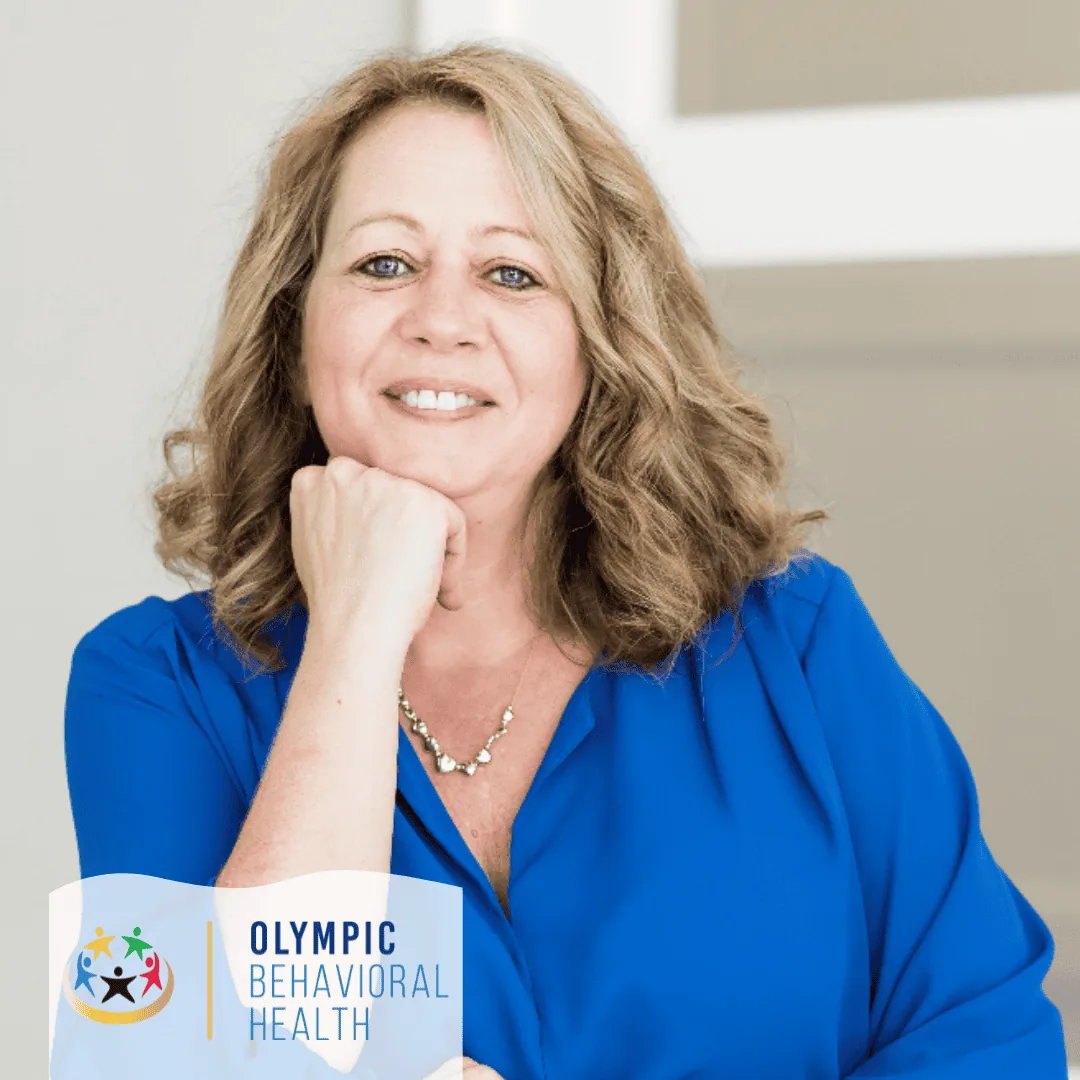
Lisa approves every OCD admission. She completed her Ph.D. in 2012 and has worked in the field for more than twenty years.
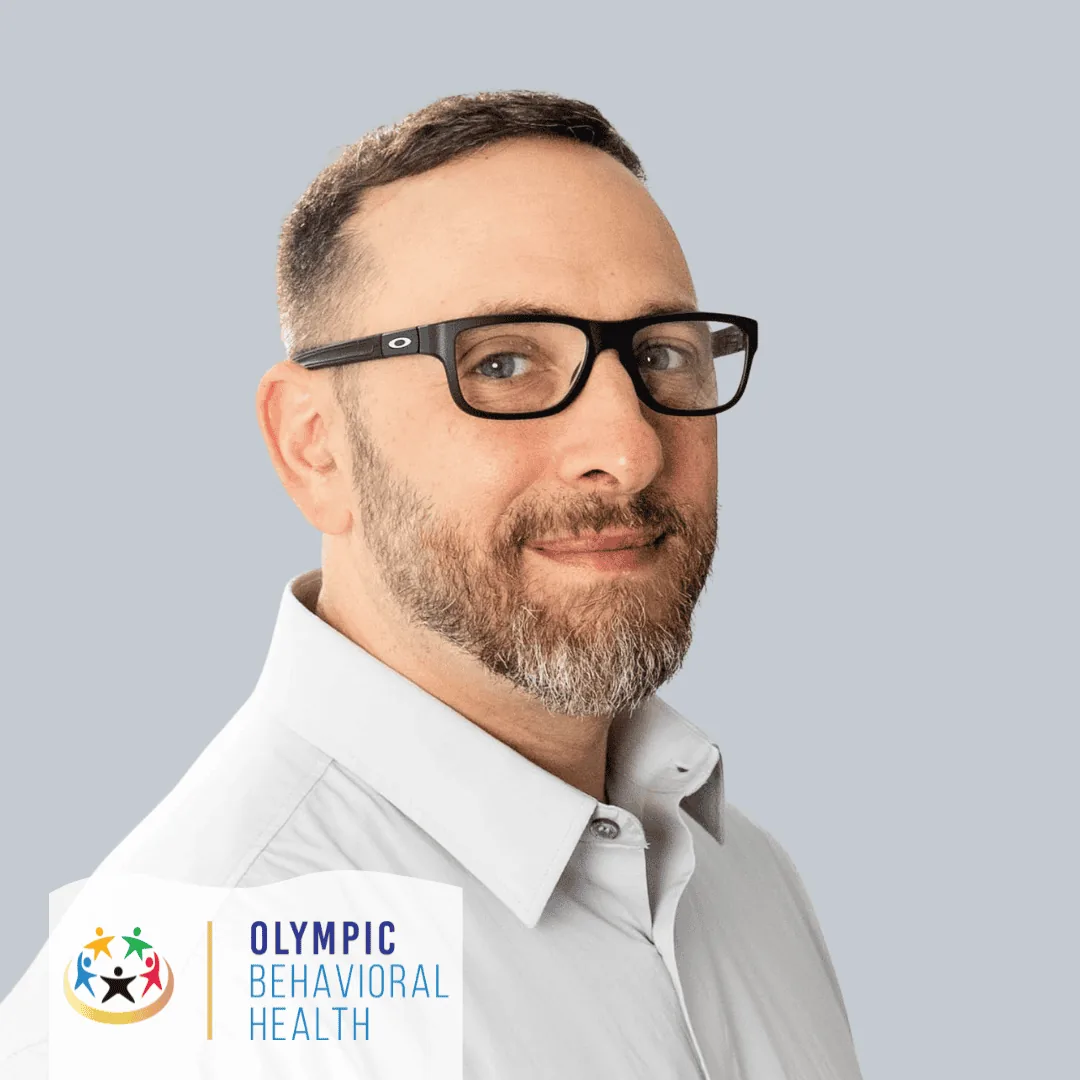
Adam works on the behavioral roots of a pattern rather than its surface.
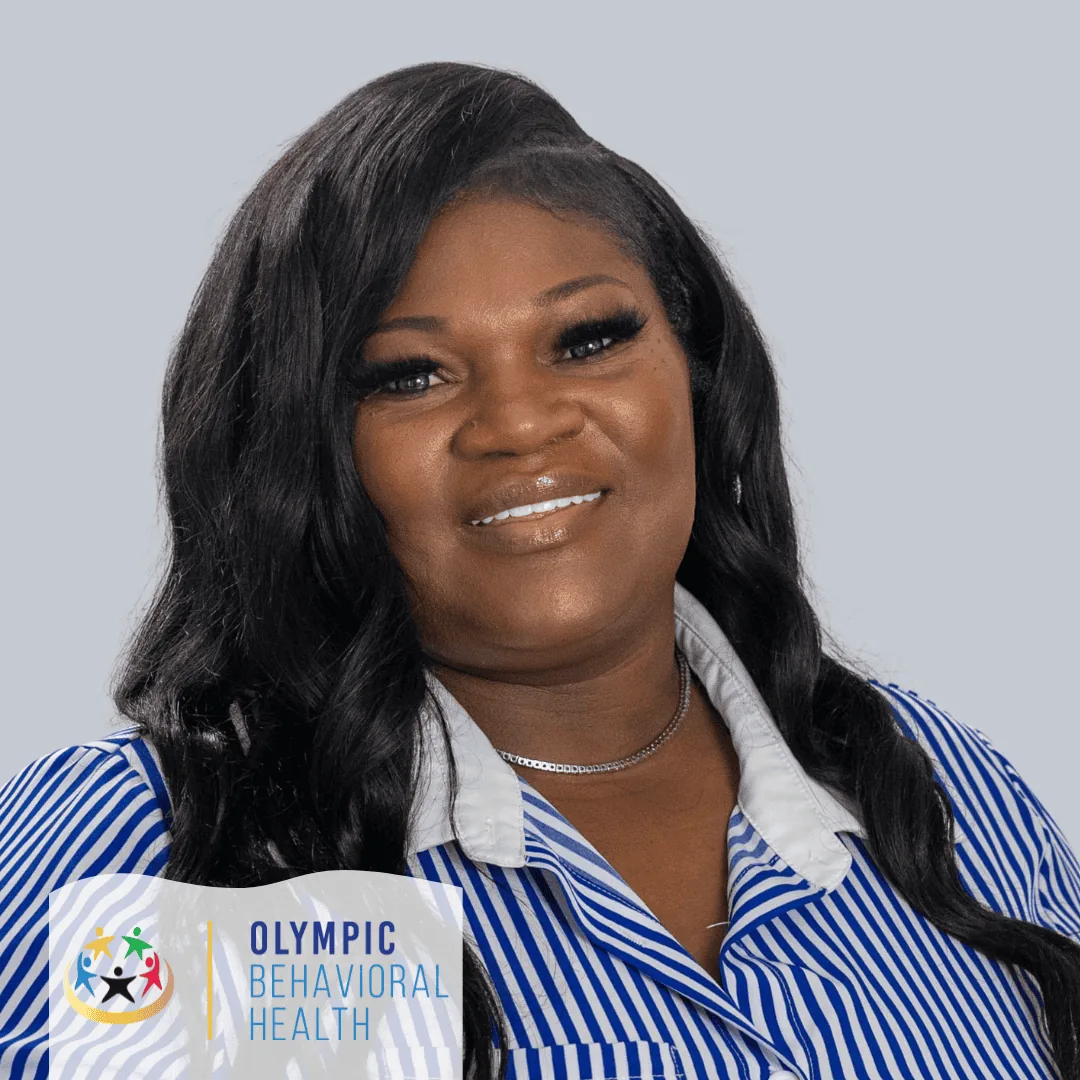
Sabina handles the OCD medication question at Olympic Behavioral Health. Psychiatric medication management is provided in-house, and psychiatrist referrals are available.
Clinically reviewed by Lisa Alleva, LMFT, Ph.D. Last reviewed August 14, 2026. Content on this page describes services at Olympic Behavioral Health and is not a substitute for individual clinical advice.
Visit Olympic Behavioral Health
Olympic Behavioral Health provides OCD treatment Florida residents reach without leaving Palm Beach County, from Lake Worth, Boynton Beach, and West Palm Beach.
Olympic Behavioral Health delivers OCD treatment at 3618 Lantana Road, Suite 200, Lantana, FL 33462. The admissions line, 561-272-0800, is staffed 9 AM to 5 PM Monday through Friday, and all OCD care runs at this one address. Five details matter on the way in:
Emotional support animals are permitted on site.