
EMDR
Eye movement desensitization and reprocessing works on the trauma memory using guided eye movement, so the event stops arriving as though it is still happening.

★★★★★ 4.8 · 170+ Google Reviews · JCAHO Accredited · LegitScript Certified · BBB A+ · Serving West Palm Beach & Palm Beach County
Olympic Behavioral Health runs its trauma treatment center at 3618 Lantana Road in Lantana, Florida, 12 miles south of West Palm Beach, and serves Palm Beach County.
Trauma treatment is clinical work on the event itself, not only on the broken sleep, the startle response and the avoidance that followed it.
Our JCAHO-accredited, DCF-licensed outpatient trauma program gives every adult 18 to 65 a trauma assessment, then moves anyone meeting criteria onto a specialized trauma track at PHP, IOP or OP. Six trauma-focused modalities run in-house under a Ph.D. clinical director with more than 20 years in addiction treatment.
If you are at risk of harming yourself, call or text 988 now. That line is free, confidential and open at any hour.
"*" indicates required fields






Assessment and the Track
The Olympic Behavioral Health trauma treatment center treats the event and the symptoms it left behind, rather than the symptoms alone. Trauma treatment is delivered at partial hospitalization, intensive outpatient and outpatient, with average length of stay of 30 to 45 days at the first two levels.
Trauma informed describes staff who understand what trauma does. The Olympic Behavioral Health trauma track treats the trauma itself as a primary condition rather than as context for another diagnosis.
Per the VA National Center for PTSD, about 5 of every 100 US adults has post-traumatic stress disorder in any given year.
A dual license for substance abuse and mental health comes from the Florida Department of Children and Families. Trauma counseling and psychiatry sit in one Lantana building.

Freezing, going blank, flinching, scanning a room. People carry these for years believing they say something about their character. Pick whichever is most familiar.
You could not move or speak, and afterwards it looked like you did nothing.
Nothing here is scored and nothing is a diagnosis. These are recognized trauma responses, and not one of them is a character flaw. Hearing that is usually the first useful thing in trauma work, and it is yours whether or not you ever call. If you are in crisis, call or text 988.
When to Get Help
Adults aged 18 to 65 enter trauma therapy after a phone assessment and clinical approval. Olympic Behavioral Health requires medical stability for outpatient care, and anyone who needs supervision through the day is referred to a higher level first.
Nobody has to know what to call it before calling. Lifetime prevalence of PTSD among adults in the United States is 6.8 percent, according to the National Institute of Mental Health, on National Comorbidity Survey Replication data collected between 2001 and 2003, and trauma reaches far more people than ever meet those criteria. Anyone who recognizes themselves, or someone they love, in these five signs should call Olympic Behavioral Health:
Verify Insurance and Start Trauma Treatment
Free, confidential, and no obligation. A benefit check returns the payable figure at all three levels of care before anyone commits.
What to Expect

A trauma recovery program week holds one individual session of 50 minutes to 1 hour, daily groups, and psychiatric review. Olympic Behavioral Health names both a primary therapist and a case manager during intake, and the same therapist carries the case to discharge.
Trauma work does not start with the worst memory. The first sessions build stability, and the processing methods come in once a client can leave a session and drive home steady. Nobody is asked to open everything on day one. Three further components sit inside every trauma plan:
Levels of Care
Olympic Behavioral Health runs three levels of trauma care, partial hospitalization, intensive outpatient and outpatient. Trauma treatment starts at the intensity a person’s week can carry, and the hours, schedule and fit for each are set out below.
| Level of Care | Hours per Week | Schedule | What the Week Contains | Who It Fits |
|---|---|---|---|---|
| PHP, Partial Hospitalization | 30+ hours | Seven days. Weekdays 9 AM to 3:30 PM, weekends 10 AM to 1 PM | Daily groups, processing sessions, psychiatry, individual and family therapy | Symptoms that have already stopped the working week |
| IOP, Intensive Outpatient | 9 to 12 hours | Monday to Saturday, 9 AM to 12 PM | Morning groups, weekly individual therapy, medication management | A job that continues while the memory work runs |
| OP, Outpatient | 4 hours | One 3-hour group each week | Group work and long-term skills practice | Maintenance after intensive outpatient |
Where drinking or using grew around the memory, trauma and addiction treatment run on one plan through the dual diagnosis treatment track at Olympic Behavioral Health.
Start Trauma Treatment This Week
Same-day admission into trauma treatment at Olympic Behavioral Health is available when admission criteria are met, with next-day as the alternative. Verification carries no cost and no commitment.
Therapies Delivered On Site
Six trauma modalities are delivered on site, and the trauma assessment decides which one leads. Those six are EMDR, Rapid Trauma Resolution, cognitive behavioral therapy, Cognitive Processing Therapy, Neuro-Linguistic Programming and neurofeedback.
Eye movement desensitization and reprocessing works on the trauma memory using guided eye movement, so the event stops arriving as though it is still happening.
Rapid Trauma Resolution reaches the same memory without a detailed retelling, which suits anyone who has avoided treatment for fear of reliving it.
CBT targets the belief the event installed and the behaviour that follows from it. Each client tests the belief against evidence and writes a more accurate one in its place.
Cognitive processing therapy uses a written account of the event, then examines the conclusions a client drew from it. Olympic Behavioral Health runs cognitive processing therapy on the trauma track as a protocol separate from CBT.
Neuro-Linguistic Programming changes the language and imagery attached to a memory. Olympic Behavioral Health pairs Neuro-Linguistic Programming with EMDR or Rapid Trauma Resolution rather than running it alone.
Neurofeedback shows brainwave activity back in real time and trains the arousal response. Olympic Behavioral Health runs neurofeedback alongside the trauma modalities rather than in place of them.
Trauma group therapy runs on Tuesdays and attendance is voluntary. The room is separated by track, so it matches the diagnosis.
Diagnoses Admitted
Four diagnoses arrive alongside trauma, and each has its own admissions route. Those four are post-traumatic stress disorder, childhood trauma in adults, co-occurring substance use disorder, and depression.
Post-traumatic stress disorder is the diagnosis given when symptoms persist and meet criteria. Olympic Behavioral Health runs the trauma track for those clients and keeps a separate page on the diagnosis itself.
Adults arrive for events that happened decades earlier. Childhood trauma therapy at Olympic Behavioral Health is delivered to adults aged 18 to 65, and the same six modalities apply.
Substance use grows around untreated trauma, and trauma informed addiction treatment works on both at once. Treating one and leaving the other is what produces the return visit.
Low mood is diagnosed in its own right when it sits alongside unresolved trauma, rather than being recorded as a symptom of the event. Olympic Behavioral Health treats the depression and the trauma concurrently.
Where worry and avoidance run ahead of the trauma work, a client also enters anxiety treatment on the same plan.
Insurance and Cost
Trauma treatment has no single price. The level of care and the plan set the figure, and Olympic Behavioral Health confirms the payable amount before admission at no charge.
Out-of-network PPO benefits apply to trauma treatment for Blue Cross Blue Shield, Aetna, Cigna, UnitedHealthcare, UMR, GEHA, Humana, and Anthem. The deductible on a plan changes what a family pays, so the Olympic Behavioral Health admissions team gives each caller that number before anything is booked.
INSURANCES WE ACCEPTTRICARE is the only in-network plan. Every other payer named is accepted on out-of-network PPO benefits. Olympic Behavioral Health does not accept Medicaid or Medicare.
There is no cost, and your information stays confidential. The Olympic Behavioral Health admissions team answers Monday through Friday, 9 AM to 5 PM.
"*" indicates required fields
Secure and HIPAA compliant. No Medicaid or Medicare.
Under One Roof
Olympic Behavioral Health provides trauma modalities, psychiatry and trauma specialists inside the Lantana building rather than referring any of them out. Every clinician on the trauma track holds a Trauma Specialist credential and EMDR certification.
A trauma assessment runs on every incoming client rather than on request, so screening decides the track instead of whoever thinks to ask.
EMDR, Rapid Trauma Resolution, cognitive behavioral therapy, and Cognitive Processing Therapy are all delivered here, so a stalled method is swapped rather than repeated.
Results improve when neurofeedback runs with the trauma work at Olympic Behavioral Health, on the same treatment plan.
Psychiatric medication management is provided in-house by a certified family nurse practitioner, with psychiatrist referrals available. Sleep and arousal problems are handled where the trauma work happens.
TRICARE benefits are verified directly with the contractor at no cost. Veterans enter the same outpatient trauma program as every other client.
Trauma work depends on an established relationship. The assigned therapist stays through each level change rather than passing the case on.
Admissions
Admission opens with one call and closes with a start date. Olympic Behavioral Health checks benefits before the clinical assessment, so cost is settled first. The call never asks for the event.
The Olympic Behavioral Health admissions team explains how the trauma track works, then answers whatever a family asks about hours, housing, and cost.
The check needs a member ID and date of birth, and returns the payable figure for trauma treatment at each level. Running the check commits nobody to admission.
Psychiatric history, current medication, and daily function are recorded by phone. Lisa Alleva signs off on the admission and fixes the entry level.
Paperwork and a belongings check come first. The trauma assessment follows and decides whether the specialized track applies to this client.
Same-day admission available, subject to criteria.
Frequently Asked Questions
Eight questions about trauma treatment at Olympic Behavioral Health, covering the assessment, the modalities, levels of care and insurance.
Trauma therapy is hard because avoidance has been keeping the memory manageable, and treatment reverses that. Olympic Behavioral Health builds stability first and only then starts processing. Two of the six modalities delivered here, EMDR and Rapid Trauma Resolution, work without a detailed retelling of the event.
Trauma therapy is worth an assessment when sleep, avoidance, or the startle response have been shaping decisions for a month or longer. Olympic Behavioral Health runs a trauma assessment with every incoming client, so the answer comes from screening rather than self-diagnosis before calling.
Average length of stay is 30 to 45 days at partial hospitalization and at intensive outpatient, and weekly individual sessions continue through outpatient step-down. Reassessment by the clinical team sets each step down rather than a fixed course.
Events from early life involve more memories than a single incident does, so processing runs longer. Olympic Behavioral Health delivers childhood trauma therapy to adults only, with no paediatric service.
Cost depends on the plan and the level of care, and the figure is confirmed before admission at no charge. Olympic Behavioral Health is in-network with TRICARE and works with PPO plans on out-of-network benefits. Medicaid and Medicare are not accepted.
The Olympic Behavioral Health building is at 3618 Lantana Road, Suite 200, Lantana, FL 33462, reached from I-95 at exit 61. Clients travel in from Lake Worth, Boynton Beach, and across Palm Beach County.
Early sessions build coping skills and stability, not disclosure. Trauma group therapy runs on Tuesdays at Olympic Behavioral Health in Lantana, and attendance stays voluntary throughout every level of care.
Choose by the method the clinician is certified to deliver, not by the next open appointment. Olympic Behavioral Health matches each client to a trauma specialist certified in the modality their assessment points to, across EMDR, Rapid Trauma Resolution, cognitive processing therapy, and cognitive behavioral therapy. The clinical director sets that match at admission.
Client Reviews
Clients and their families have given Olympic Behavioral Health a 4.8-star Google rating across 170+ reviews. Read what they wrote before calling. Ratings come straight from the live Google Business Profile.
Olympic saved my life. I didn’t know who Emma was when I got there and forget thinking I could ever love her, but after 3 months… I know Emma and I love her. Shoutout to all the staff, techs, my therapist Stephanie, SuSu, Bronson, Dom, Kim, Andi, Lee, Kyle, Gina, Jackie and everyone else that played part in me getting back to where I need to be, with my babies. I’ll never forget my time there. 🩷
Emma · Google review
Going to Olympic was the best thing I ever did, and it definitely saved my life! The staff is amazing and demonstrate that they truly care for the patients, and they make sure you have what you need to be successful in therapy as well as your after care. I highly recommend Olympic and I am proud to be a. Alumni!!!
Debra Hayes · Google review
I’m incredibly grateful for my time here. The people here are what make this place special. From the therapists to the support staff, everyone showed compassion and patience. They didn’t just treat me—they understood me. I’m leaving stronger, clearer, and with tools I’ll carry for the rest of my life.
Aaron Smith · Google review
My experience at Olympic Behavioral Health was excellent. Everyone from the management to the techs was kind, caring, and supportive. They really make a strong team at Olympic. They pay attention to the individual and support your recovery and goals. I am glad I ended up at Olympic.
Patrick Willis · Google review
Olympic is a great place for recovery from addiction and mental health issues. The staff is amazing. The facilitators and therapists work hard and truly care for the clients. I highly recommend this place. Thanks
Charles Taffe · Google review
Truly changed my life. Came from residential program feeling ready to return home but decided to step to Olympic before I made the journey home. Best decision I ever made. It truly strengthened everything I learned and provides an opportunity to put it into practice. If you come with the right mindset and attitude you will truly be grateful. Love all the staff and alumni the support is truly out of this world. Love you and miss you guys!
Joshua Redfern · Google review
Olympic saved my life! When I first got there, I was absolutely against it, but Meg and her crew did some things different for me and made the place to fit me so that I would stay. They made me feel welcome and comfortable Which is hard to do! But it’s been amazing success that we had is truly unprecedented. They’re friendly and they know what they’re doing. God bless them!
Dirk Sanders · Google review
Clinical Team
Trauma specialists and a certified family nurse practitioner sit behind each Olympic Behavioral Health trauma treatment plan written in Lantana.

Lisa Alleva is certified in EMDR, Rapid Trauma Resolution, Neuro-Linguistic Programming, hypnotherapy and Reconsolidation of Traumatic Memories, and earned a doctorate in 2012.
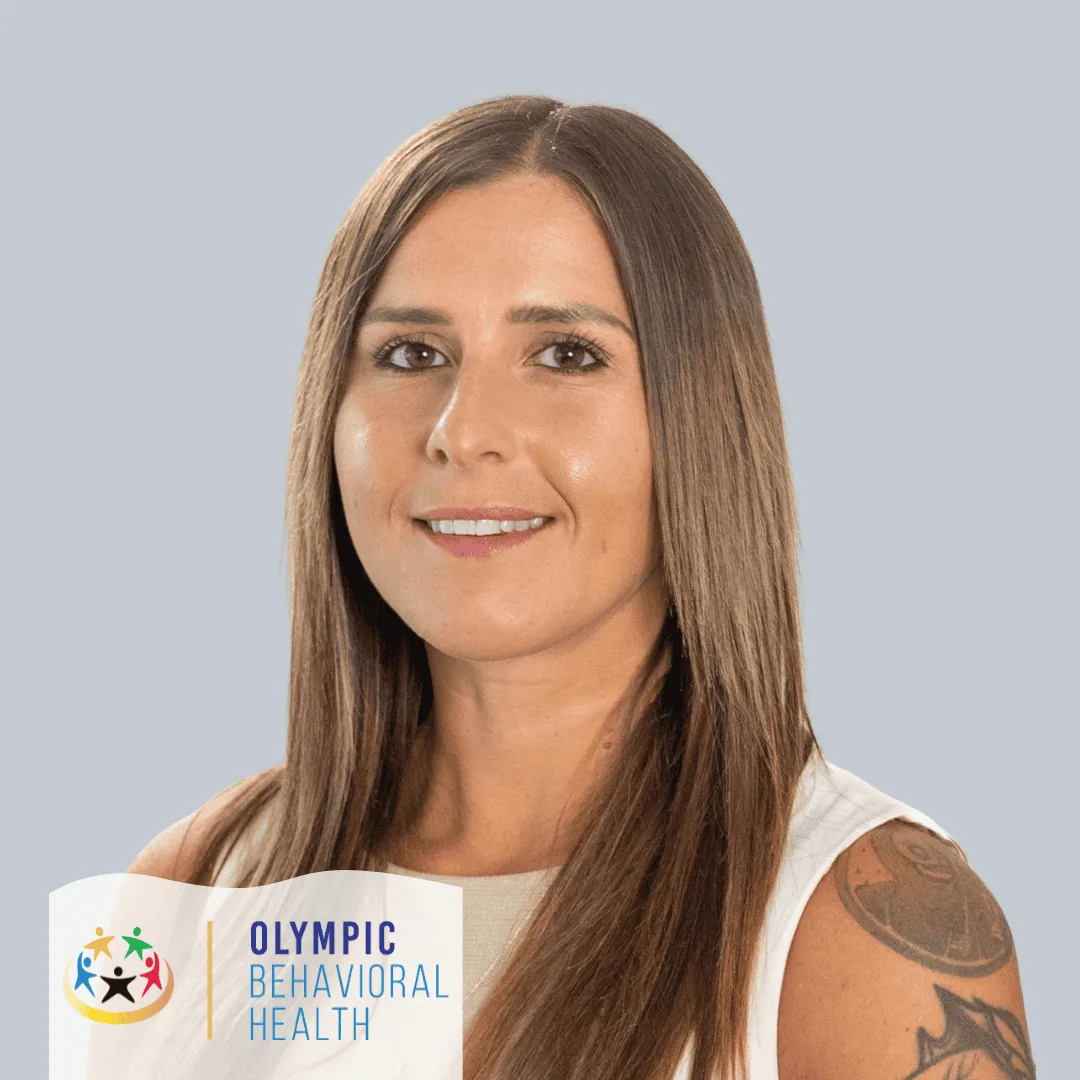
Amber runs the trauma track day to day and holds LMHC and MCAP credentials. Her certifications cover EMDR and Rapid Resolution Therapy, and she has practiced in mental health since 2018.

Sabina D. Thomas handles psychiatric evaluation and medication management on site at Olympic Behavioral Health. Sleep and hypervigilance are treated medically while the trauma work runs.
Clinically reviewed by Lisa Alleva, LMFT, Ph.D. Last reviewed August 14, 2026. Content on this page describes services at Olympic Behavioral Health and is not a substitute for individual clinical advice.
Visit Olympic Behavioral Health
Clients drive in from across Palm Beach County for trauma treatment at the Lantana clinical address, near West Palm Beach, and every client reports to Lantana first before being routed to any other facility.
Olympic Behavioral Health runs trauma treatment at 3618 Lantana Road, Suite 200, Lantana, FL 33462. Admissions answers on 561-272-0800 from 9 AM to 5 PM, Monday to Friday, and every client is seen at this one outpatient site. Five details matter for getting there:
Each Olympic Behavioral Health client gets a gym membership, and emotional support animals are permitted on site. Van service runs to every scheduled group, so a client without a car still attends.