

What is Motivational Interviewing?
Motivational Interviewing (MI) stands as a counseling approach aiming to inspire clients to alter ambivalent behaviors. It was initially introduced by Professor William R. Miller, Ph.D., in 1983 as a means of instigating change. This method is often employed in addiction treatment, targeting the lack of motivation to quit, which can be a significant barrier for individuals struggling with addiction despite facing health, financial, social, and legal consequences.
MI operates on the premise that individuals grappling with addiction are somewhat aware of the adverse effects of substance misuse. These individuals also exist in different stages of readiness regarding behavior change. MI therapists facilitate this transition by addressing ambivalence or resistance to change, fostering the individual’s motivation.
Objectives and Steps of Motivational Interviewing (MI)
MI embodies certain key elements, including a focus on internal motivation rather than external sources, the individual’s responsibility for resolving ambivalence, and the counselor’s role in eliciting information and guiding the resolution of ambivalence. It’s crucial to understand that readiness to change is a result of interpersonal interactions rather than a fixed trait, and the counselor-client relationship should resemble a collaborative partnership.
The MI approach consists of four fundamental processes: Engaging, Focusing, Evoking, and Planning.
- Engaging: Engaging involves establishing a trusting relationship.
- Focusing: Focusing narrows down conversations to desired behavioral changes.
- Evoking: Evoking aims to boost motivation for change, and
- Planning: Planning involves creating practical steps for implementing changes.
MI operates as a person-centered counseling model, prioritizing the individual’s desires over the counselor’s recommendations. This necessitates high levels of empathy, reflective listening, and the ability to establish rapport quickly.
Motivational Interviewing and Substance Abuse Treatment
MI underscores the enhancement of internal motivation for change. Although many reasons exist for individuals to cease substance misuse and seek treatment, most believe they can quit on their own. Clients might vacillate between feeling motivated to quit after facing consequences and quickly losing motivation.
MI intends to lay out the pros and cons of quitting based on the individual’s priorities. Once individuals confront denial and determine the pros and cons of substance misuse, their desire for change becomes clearer, making change implementation easier. MI emphasizes individuals’ pursuit of chosen life changes rather than feeling coerced into action.

Effectiveness and Limitations of Motivational Interviewing
Research indicates moderate-quality evidence supporting MI’s effectiveness, particularly for short-term outcomes related to alcohol use. Combining MI with other evidence-based therapies, such as cognitive-behavioral therapy, may assist individuals in maintaining long-term behavior changes. MI has demonstrated efficacy across diverse populations, from adolescents to those with co-occurring mental illnesses and substance use disorders.
Benefits of Motivational Interviewing
The benefits of MI in substance use disorder treatment encompass;
- Increased program retention,
- Better engagement,
- Higher success probabilities in terms of abstinence,
- Cost-effective brief interventions,
- Adaptability, and
- Mobilization of individual resources for change.
Limitations of Motivational Interviewing
MI has its limitations, particularly in cases involving severe mental health disorders and complex addictions where motivation might not suffice. Additionally, the effectiveness of MI often hinges on counselor expertise, making it challenging to maintain provider loyalty and measure individual outcomes.
Why Choose Us for Motivational Interviewing in Lantana, Florida?
Our addiction center in Lantana is the best choice for therapy because of our unwavering quality and flexibility. We offer physical and virtual sessions for your convenience. We have qualified doctors and therapists to take your hand and guide you through this journey to recovery.
We see you as a family member and want to support you with the best tools and techniques. With us, your healing is in compassionate hands. Pick up your phone and call us today to book your appointment.
How Does Motivational Interviewing Differ From Traditional Therapy?
Motivational Interviewing (MI) differs from traditional therapy in its client-centered approach and emphasis on enhancing intrinsic motivation rather than directing the client toward specific goals. According to Miller and Rollnick, “Motivational Interviewing: Preparing People for Change” (2002), MI involves a collaborative conversation that helps clients explore and resolve ambivalence about change. This approach contrasts with more directive therapies that often prescribe specific solutions. Integrating techniques from neurofeedback therapy can further enhance the effectiveness of various therapeutic approaches.
Additionally, MI’s use of techniques such as open-ended questions, reflective listening, and affirmations helps clients articulate their motivations and strengths. The goal is to build the client’s self-efficacy and autonomy, which is different from traditional methods that may focus more on diagnosing and treating specific issues. The use of biofeedback therapy can also complement MI by providing clients with real-time data to enhance their self-awareness and motivation for change.
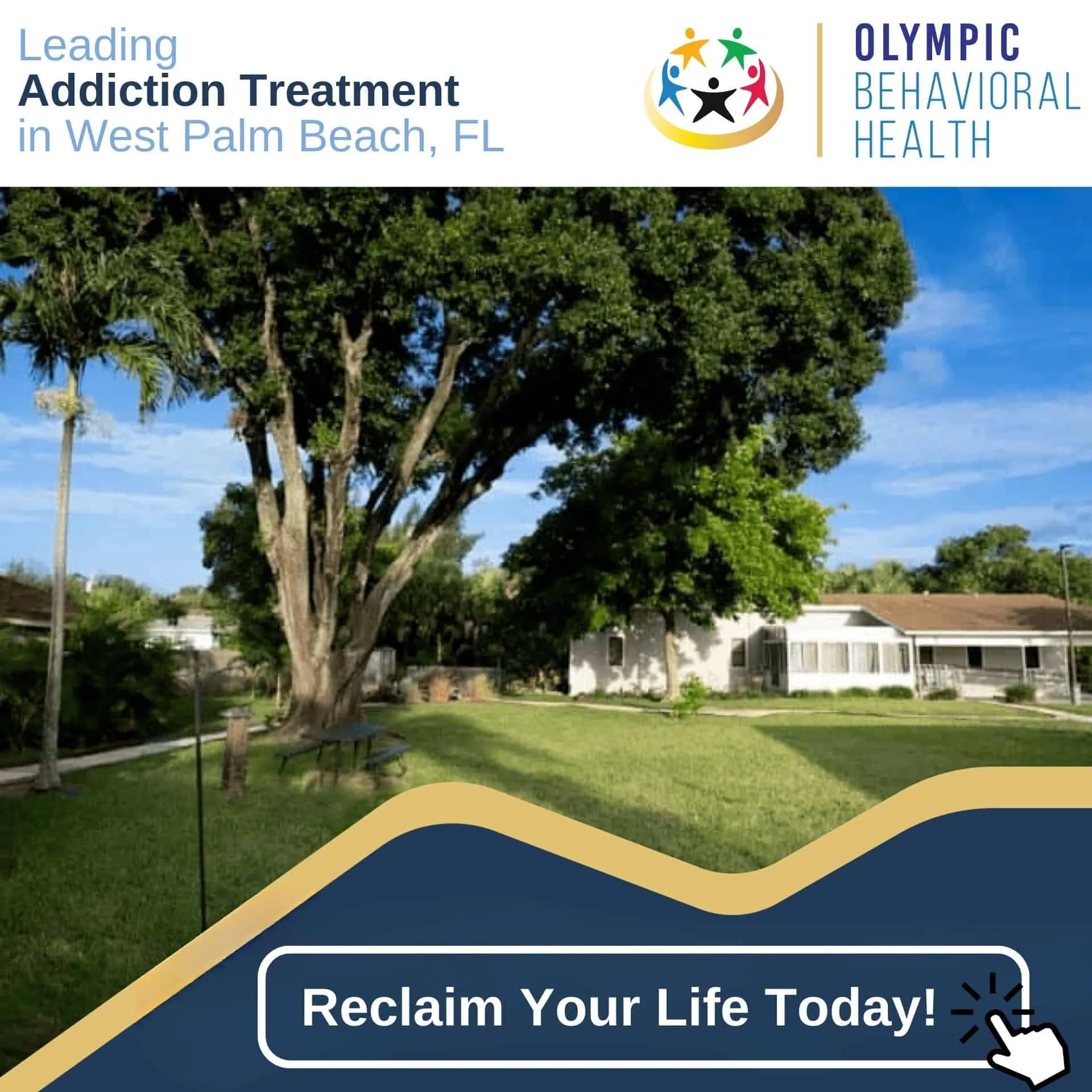
We accept most insurance plans
Our addiction treatment center is committed to helping those recovering from drug and alcohol addiction. We provide professional care and support to help you start your healing journey.
Insurance may not always be available so we offer alternative options to finance treatment. Trust us to provide the necessary help and support through every step of the process.












Please note that while we provide top-tier services, some major insurance plans may not include us in their network.
If you’re unsure about your coverage options or would like to learn more about available treatments, give us a call at 561-272-0800. Our team is available to assist you!
