
DBT Skills Training
Emotion regulation and distress tolerance are the core skills for a mood disorder, and they are taught in group and practised weekly.

★★★★★ 4.8 · 170+ Google Reviews · JCAHO Accredited · LegitScript Certified · BBB A+ · Serving West Palm Beach & Palm Beach County
Olympic Behavioral Health bases its bipolar disorder treatment center at 3618 Lantana Road in Lantana, Florida, 12 miles south of West Palm Beach, and serves Palm Beach County.
Bipolar disorder is diagnosed on a pattern of mood episodes over time, not on any single day.
Our JCAHO-accredited, DCF-licensed bipolar counseling treats adults aged 18 to 65 at partial hospitalization (PHP), intensive outpatient (IOP) and outpatient (OP), pairing DBT skills programming with on-site psychiatry. One therapist holds the plan across every level of care, and the work happens between episodes, when the pattern is workable.
If you or someone you love is in danger right now, call or text 988. That line answers at any hour.
"*" indicates required fields





What Gets Treated
Olympic Behavioral Health treats bipolar I, bipolar II and rapid cycling, alongside the alcohol use, anxiety and depression named as separate diagnoses at intake. The work happens in the stretches between episodes, because that is where the pattern actually changes.
Steady weeks are when medication gets adjusted, sleep gets protected and the bipolar plan gets written. An episode is not the moment to build any of them.
Roughly 80 percent of Olympic Behavioral Health clients are in treatment for a mental health condition rather than a substance use disorder. Bipolar disorder is treated inside that majority, not as a sideline to an addiction program.
A prescriber sets and adjusts medication. The gap between bipolar I and bipolar II is how high the highs go, because bipolar II stops at hypomania rather than mania. Structure around the prescribing decides whether the next twelve months look different.

The diagnosis is a shape over months, not a mood on a given day. Switch between the three patterns and watch the line redraw itself.
Bipolar I
Description appears here.
Criteria appear here.These are illustrations, not your chart. Real patterns are messier, and only a psychiatric evaluation can say which diagnosis applies to anyone. If you or someone you love is in danger, call or text 988 at any hour.
Admission Criteria
Outpatient bipolar treatment suits adults who are out of an acute episode. Olympic Behavioral Health refers anyone in acute mania to a higher level of bipolar care first, and that referral is not a rejection.
Acute mania needs medical management this program cannot provide, and saying so plainly is more useful than admitting someone who needs a hospital. An estimated 2.8 percent of adults in the United States had bipolar disorder in the past year, according to the National Institute of Mental Health, on National Comorbidity Survey Replication data collected between 2001 and 2003. Olympic Behavioral Health accepts adults who:
Find Out Which Level Applies
A phone assessment costs nothing and takes about 30 minutes.
Inside the Program
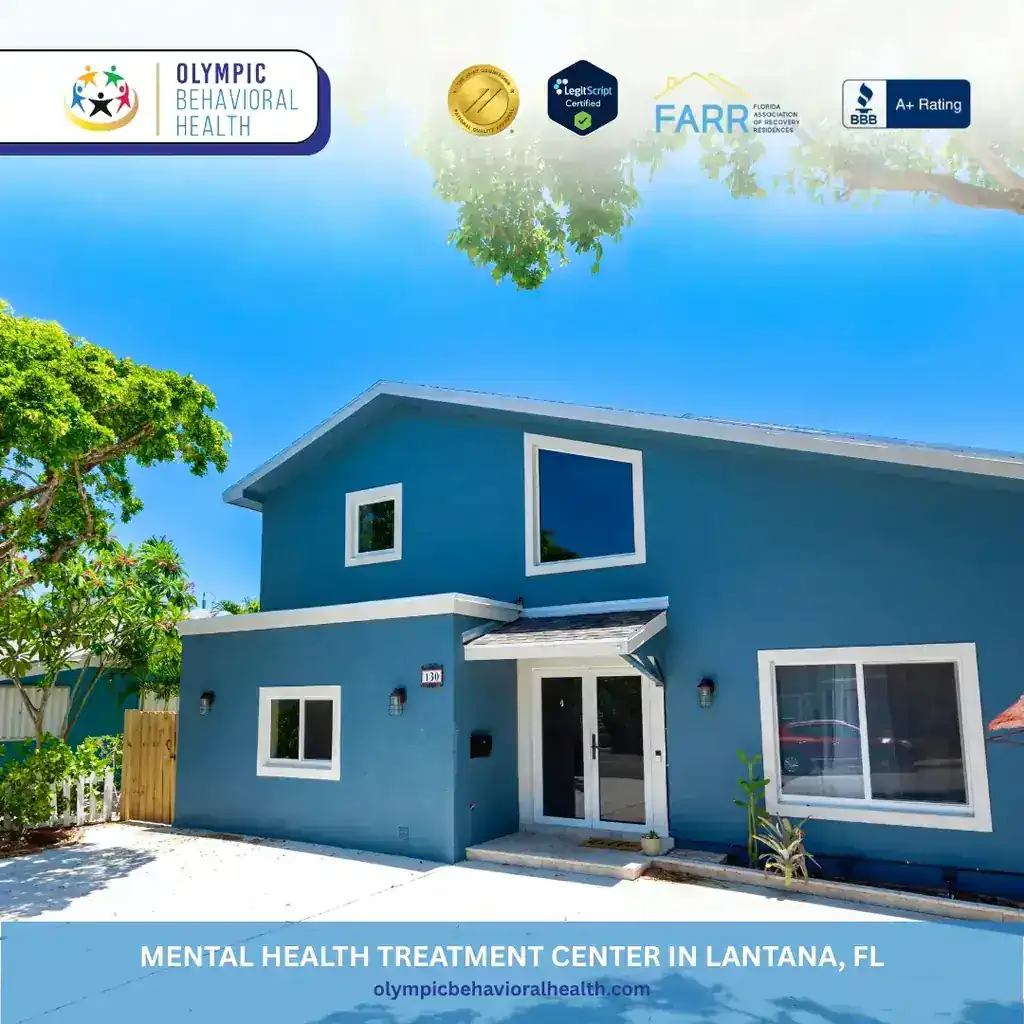
A bipolar week at Olympic Behavioral Health starts from weekly individual therapy of 50 minutes to 1 hour, which every client gets at every level of care. What fills the rest of the week is decided client by client, and the primary therapist assigned at admission holds the case through every level change.
Sleep is the first thing worked on, because losing sleep is both a warning sign and an accelerant. Groups run on the mental health track, separate from the substance abuse groups, and cover routine, spending and the decisions a high makes easy. Olympic Behavioral Health treats mood stability as the goal of bipolar treatment, because substance use and broken sleep undo mood stability faster than anything else. Three things run through every bipolar week, at every level of care:
Levels of Care
Olympic Behavioral Health runs bipolar treatment at three levels of care, and which one a client starts at is decided case by case after assessment. Level follows how much structure the week needs, and a bipolar treatment center offering only one intensity forces a choice between too much and nothing. Average length of stay at the two intensive levels is 30 to 45 days.
| Level of Care | Hours per Week | Schedule | Clinical Content | Admission Profile |
|---|---|---|---|---|
| PHP, Partial Hospitalization | 30+ hours | Seven days. Weekdays 9 AM to 3:30 PM, weekends 10 AM to 1 PM | Daily groups, individual sessions, psychiatric review, family therapy | Just out of an episode, routine gone |
| IOP, Intensive Outpatient | 9 to 12 hours | Monday to Saturday, 9 AM to 12 PM | Morning groups, weekly individual therapy, medication management | Steady enough to work, rebuilding structure |
| OP, Outpatient Bipolar Counseling | 4 hours | One 3-hour group each week | Group work, coping skills, relapse prevention | Holding steady, watching for early signs |
Where drinking rides the cycle. Alcohol used through a high or a low meets criteria for a co-occurring substance use disorder. Olympic Behavioral Health moves those bipolar clients onto the dual diagnosis treatment track with both conditions on one plan.
Ask Which Level Fits This Pattern
Same-day admission at Olympic Behavioral Health is available when admission criteria are met, with next-day admission as the alternative.
Evidence-Based Therapies
Olympic Behavioral Health runs six methods inside bipolar therapy, and a clinician sets which one runs first for each client. Medication holds the floor and the ceiling of a bipolar cycle, and everything below works on the months in between.
Emotion regulation and distress tolerance are the core skills for a mood disorder, and they are taught in group and practised weekly.
CBT works on the thinking that arrives with a bipolar low, and on the certainty that arrives with a high.
Sleep and daily rhythm are treated as clinical material rather than lifestyle advice, because losing them predicts the next episode.
Group runs daily on the mental health track. Other people spot a rising episode sooner than the person having one.
Families carry the memory of past episodes. Family therapy runs weekly as needed and can include couples sessions or children.
A certified family nurse practitioner reviews bipolar medication on site, with psychiatrist referrals available, and a board-certified psychiatrist serves as medical director.
Olympic Behavioral Health names no bipolar medication on this page, because prescribing follows the psychiatric evaluation.
Diagnoses Admitted
Olympic Behavioral Health names every diagnosis alongside bipolar separately at intake, because a second diagnosis changes the plan rather than the eligibility.
Drinking rides both ends of the cycle, fuelling a high and dulling a low. A DCF license covering mental health and substance abuse permits one plan for both.
A depressive episode inside bipolar is prescribed for differently than unipolar depression, which is why the diagnosis is confirmed before anything is adjusted.
Anxiety alongside bipolar is named as its own diagnosis at intake, and anxiety gets its own work in weekly individual sessions rather than being treated as part of the mood cycle.
Rapid cycling bipolar means four or more mood episodes inside twelve months. Rapid cycling is a course specifier rather than a separate diagnosis, and Olympic Behavioral Health reviews the bipolar plan more closely where it applies.
Olympic Behavioral Health treats adults only, so anyone under 18 with bipolar disorder is referred to a service equipped for them.
Insurance and Cost
Bipolar disorder treatment bills as an outpatient behavioral health benefit. Olympic Behavioral Health is in-network with TRICARE, works with PPO plans on out-of-network benefits, and confirms the payable figure before admission rather than after the first month of bipolar care.
Bipolar is lifelong, so anyone comparing bipolar disorder treatment in Florida is pricing years rather than a single admission. Olympic Behavioral Health accepts Blue Cross Blue Shield, Aetna, Cigna, UnitedHealthcare, UMR, GEHA, Humana and Anthem on out-of-network PPO benefits, and verification returns the figure before intake at no charge.
INSURANCES WE ACCEPTTRICARE is the only in-network plan. Every other payer named is accepted on out-of-network PPO benefits. Olympic Behavioral Health does not accept Medicaid or Medicare.
Free and confidential. The Olympic Behavioral Health admissions team responds Monday through Friday, 9 AM to 5 PM.
"*" indicates required fields
Secure and HIPAA compliant. No Medicaid or Medicare.
Why Olympic Behavioral Health
Olympic Behavioral Health treats bipolar in years rather than in one intense month. What changes the pattern is a clinician who remembers the last bipolar episode and notices the next one starting.
The primary therapist assigned at intake stays through each level, so last year’s episode is known rather than retold.
Medication is reviewed on site week to week, so an adjustment does not wait on an outside appointment.
Relapse prevention runs as a program here, and each plan identifies the personal signals that precede an episode and who to contact when one shows up.
The DCF license covers mental health and substance abuse, which permits one plan where drinking rides the cycle.
Olympic Behavioral Health runs a relatives meeting every Monday evening from 7 PM to 9 PM, sends families a monthly newsletter, and has the treating therapist make contact weekly.
Three levels run from 4 hours a week to more than 30, and discharge planning includes referrals that outlast the program.
Admissions
Admission between episodes and admission straight after one are the two common starting points for bipolar treatment. Olympic Behavioral Health admits at either point, and the four steps below run the same way.
Olympic Behavioral Health admissions staff ask where the bipolar cycle stands now. A relative or a discharge planner can call.
A benefit check returns the payable amount for bipolar treatment at all three levels. The check obligates nobody and takes minutes.
Episode history, current medication, sleep, drinking and any hospital stays are recorded by phone. That call settles whether outpatient is the right level.
Paperwork first, then a psychiatric evaluation. A case manager and a primary therapist are assigned by Olympic Behavioral Health that day.
Same-day admission available, subject to criteria.
Frequently Asked Questions
Seven questions come up most before bipolar disorder treatment starts at Olympic Behavioral Health, covering episodes, diagnosis, levels of care and insurance.
You cannot, and any page offering a technique is worth closing. A manic episode needs medical management, so the prescriber should be contacted the same day. Protecting sleep matters because losing it accelerates one. Acute mania usually needs a higher level of care than an outpatient program.
From outside it usually reads as speed rather than happiness. Little sleep without tiredness, fast speech, expansive plans, heavy spending, and irritability when interrupted. Families often notice it before the person does, which is why relatives are asked what they saw.
The DSM-5 threshold for mania is at least seven days, or any duration if hospital care becomes necessary. Hypomania requires four. Untreated episodes commonly run for weeks, and treatment shortens them, which is the argument for starting during one rather than waiting.
Family history raises the risk substantially, and it settles nothing on its own. Bipolar disorder runs in families more strongly than most psychiatric conditions, yet most people with an affected relative never develop it. Intake asks about family history because it informs the diagnosis.
Medication prescribed by a psychiatric provider is the foundation, with structured therapy around it. Olympic Behavioral Health provides the second part at three outpatient levels in Lantana, with DBT skills, individual therapy, and on-site medication review. No medication is prescribed before a psychiatric evaluation.
No. Bipolar disorder is a mood disorder, defined by episodes that begin and end. Personality disorders describe patterns that stay broadly stable across years rather than arriving in episodes. The distinction changes what gets prescribed, so intake establishes it before anything else.
Bipolar treatment runs at 3618 Lantana Road, Suite 200, Lantana, FL 33462. Exit 61 on I-95 reaches the building, downtown West Palm Beach sits 12 miles north, and all three levels of care run at this one Olympic Behavioral Health site.
Client Reviews
Olympic Behavioral Health holds a 4.8-star Google rating across client and family reviews. Reviewers credit the therapists, the support staff and the aftercare. One clinical team runs both tracks, so those are the same therapists who carry bipolar treatment.
Olympic saved my life. I didn’t know who Emma was when I got there and forget thinking I could ever love her, but after 3 months… I know Emma and I love her. Shoutout to all the staff, techs, my therapist Stephanie, SuSu, Bronson, Dom, Kim, Andi, Lee, Kyle, Gina, Jackie and everyone else that played part in me getting back to where I need to be, with my babies. I’ll never forget my time there. 🩷
Emma · Google review
Going to Olympic was the best thing I ever did, and it definitely saved my life! The staff is amazing and demonstrate that they truly care for the patients, and they make sure you have what you need to be successful in therapy as well as your after care. I highly recommend Olympic and I am proud to be a. Alumni!!!
Debra Hayes · Google review
I’m incredibly grateful for my time here. The people here are what make this place special. From the therapists to the support staff, everyone showed compassion and patience. They didn’t just treat me—they understood me. I’m leaving stronger, clearer, and with tools I’ll carry for the rest of my life.
Aaron Smith · Google review
My experience at Olympic Behavioral Health was excellent. Everyone from the management to the techs was kind, caring, and supportive. They really make a strong team at Olympic. They pay attention to the individual and support your recovery and goals. I am glad I ended up at Olympic.
Patrick Willis · Google review
Olympic is a great place for recovery from addiction and mental health issues. The staff is amazing. The facilitators and therapists work hard and truly care for the clients. I highly recommend this place. Thanks
Charles Taffe · Google review
Truly changed my life. Came from residential program feeling ready to return home but decided to step to Olympic before I made the journey home. Best decision I ever made. It truly strengthened everything I learned and provides an opportunity to put it into practice. If you come with the right mindset and attitude you will truly be grateful. Love all the staff and alumni the support is truly out of this world. Love you and miss you guys!
Joshua Redfern · Google review
Olympic saved my life! When I first got there, I was absolutely against it, but Meg and her crew did some things different for me and made the place to fit me so that I would stay. They made me feel welcome and comfortable Which is hard to do! But it’s been amazing success that we had is truly unprecedented. They’re friendly and they know what they’re doing. God bless them!
Dirk Sanders · Google review
Clinical Team
Three Olympic Behavioral Health clinicians sign a bipolar plan: the medical director, the clinical director and the therapist who carries the week.

Board certified in general psychiatry and separately in addiction psychiatry. Dr. Davari serves as medical director.

Lisa approves each bipolar admission at Olympic Behavioral Health and holds the clinical standard across both tracks. Ph.D. since 2012, with over twenty years in treatment.

Adam works on family dynamics and the behavioral roots underneath a cycle, and carries clients where drinking sits alongside the mood episodes.
Clinically reviewed by Maryam Davari, M.D. Last reviewed August 14, 2026. Content on this page describes services at Olympic Behavioral Health and is not a substitute for individual clinical advice.
Location and Directions
Olympic Behavioral Health runs bipolar treatment at one clinical site, reachable from Lake Worth, Boynton Beach, West Palm Beach, and the rest of Palm Beach County. Adults comparing bipolar treatment centers in Florida reach this one at the Lantana clinical address.
The bipolar disorder treatment center sits at 3618 Lantana Road, Suite 200, Lantana, FL 33462. The admissions line, 561-272-0800, is staffed 9 AM to 5 PM Monday through Friday, and every level runs at this address.
Emotional support animals are permitted at Olympic Behavioral Health.