Meth Addiction: Signs, Effects, and Treatment

Methamphetamine addiction affects approximately 2.5 million Americans annually, creating severe physical, psychological, and behavioral changes that require professional intervention. Meth is a highly addictive stimulant classified as a Schedule II controlled substance, producing effects lasting 8-24 hours and rapidly rewiring brain chemistry through excessive dopamine release.
Treatment for meth addiction requires comprehensive care addressing both physical dependence and underlying psychological factors. Medical detox provides supervised withdrawal management, while evidence-based behavioral therapies like cognitive-behavioral therapy (CBT) and contingency management form the foundation of successful recovery. Withdrawal symptoms begin within 24 hours of last use, with acute physical symptoms lasting 7-10 days and psychological effects persisting for months.
Meth rehab programs include residential inpatient care, intensive outpatient treatment, and partial hospitalization options tailored to individual needs. Long-term recovery combines ongoing therapy, support group participation, relapse prevention strategies, and lifestyle changes. Understanding overdose risks, polysubstance dangers, and available treatment options enables individuals to make informed decisions about seeking help.
Highlights
- According to the 2021 National Survey on Drug Use and Health (NSDUH), approximately 2.5 million Americans used meth in the past year.
- Meth addiction treatment requires professional medical supervision during detox to manage severe withdrawal symptoms including depression, fatigue, and intense cravings
- Behavioral therapies such as cognitive-behavioral therapy (CBT) and contingency management show the highest success rates for treating methamphetamine use disorder
- Meth withdrawal peaks within the first week but psychological symptoms like depression and cravings can persist for several months
- Residential meth rehab programs provide structured environments with 24/7 support while outpatient treatment offers flexibility for those with work or family obligations
- No FDA-approved medications currently exist specifically for meth addiction, but medications can effectively treat co-occurring mental health conditions and ease withdrawal symptoms
Did you know most health insurance plans cover substance use disorder treatment? Check your coverage online now.
What Is Methamphetamine?
Methamphetamine is a powerful central nervous system stimulant that appears as a white crystalline powder. The Drug Enforcement Administration (DEA) classifies meth as a Schedule II controlled substance due to its high potential for abuse and limited medical use.
When consumed, meth triggers massive dopamine release in the brain, creating intense euphoria and increased energy. These effects last 8-24 hours, significantly longer than other stimulants. The drug can be smoked, snorted, injected, or swallowed.
Medical professionals rarely prescribe methamphetamine under the brand name Desoxyn for severe attention deficit hyperactivity disorder (ADHD) or obesity. However, prescribed dosages remain far lower than amounts used recreationally. Street names for meth include crystal, ice, speed, and crank.
Is Meth Addictive?
Yes, methamphetamine is highly addictive. The drug’s intense effects on dopamine production create rapid physical and psychological dependence. According to the 2021 National Survey on Drug Use and Health (NSDUH), approximately 2.5 million Americans used meth in the past year.
Meth addiction develops quickly because the drug floods the brain with dopamine at levels 12 times higher than natural rewards. This artificial surge rewires neural pathways, making normal pleasures feel dull. Users develop tolerance rapidly, requiring increasingly larger doses to achieve desired effects.
The American Psychiatric Association recognizes methamphetamine addiction as Stimulant Use Disorder. Physical dependence occurs when the body adapts to constant meth presence. Psychological dependence manifests through compulsive drug-seeking behavior despite negative consequences. Both forms of dependence require professional treatment for successful recovery.
Signs of Meth Addiction
Meth addiction produces distinct physical, behavioral, and psychological warning signs, including weight change, skin sores, meth mouth, dilated pupils and financial problems. Early identification increases treatment success rates. Family members and loved ones should watch for multiple symptoms occurring together over extended periods.
Contact us today to schedule an initial assessment or to learn more about our services. Whether you are seeking intensive outpatient care or simply need guidance on your mental health journey, we are here to help.
Physical Signs of Meth Addiction
The physical signs of meth addiction are as follows:
- Rapid weight loss and decreased appetite resulting in noticeable thinning within weeks
- Severe dental decay known as “meth mouth” characterized by rotting teeth and gum disease
- Skin sores and picking behavior causing open wounds and scarring across face and arms
- Dilated pupils remaining enlarged even in bright light environments
- Extreme hyperactivity and inability to sleep for days at a time
- Jerky movements, facial tics, and uncontrollable twitching
- Premature aging appearance with sunken features and damaged skin
Behavioral Signs of Meth Addiction
The behavioral signs of meth addiction are as follows:
- Increased secrecy about activities, whereabouts, and personal relationships
- Neglecting work, school, or family responsibilities previously considered important
- Financial problems including borrowing money, selling possessions, or stealing
- Engaging in risky behaviors without considering consequences or personal safety
- Social isolation from family and friends or associating with new drug-using contacts
- Legal troubles including arrests for possession, theft, or drug-related offenses
Psychological Signs of Meth Addiction
The psychological signs of meth addiction are as follows:
- Severe mood swings alternating between euphoria and deep depression
- Paranoia and unfounded suspicions about others’ intentions
- Hallucinations including seeing, hearing, or feeling things that aren’t present
- Anxiety attacks and persistent feelings of nervousness or fear
- Confusion and difficulty concentrating on simple tasks
- Memory problems affecting short-term recall and decision-making abilities
- Repetitive behaviors such as picking at skin or disassembling objects
Rediscover Life at Olympic Behavioral Health
Get the compassionate support you deserve. We're here to help you reclaim joy, wellness, and a brighter future.
Our Facility
Meth Withdrawal Symptoms
Meth withdrawal occurs when regular users stop taking the drug or dramatically reduce their intake. Withdrawal symptoms begin within 24 hours of last use and vary in intensity based on usage duration, dosage amounts, and individual physiology.
Methamphetamine withdrawal follows a predictable timeline. Understanding what to expect during drug withdrawal helps individuals and families prepare for the recovery journey. Medical supervision during withdrawal significantly improves safety and comfort levels throughout the detox process.
Acute Withdrawal Phase (First 1-2 Weeks)
The acute withdrawal phase produces the most intense symptoms. Physical discomfort peaks during the first week as the body adjusts to functioning without methamphetamine. This phase requires close medical monitoring to manage complications and prevent relapse.
The physical symptoms of meth withdrawal are as follows:
- Extreme fatigue and sleeping 12-15 hours daily
- Increased appetite and strong cravings for high-calorie foods
- Severe headaches and body aches throughout muscles and joints
- Nausea, vomiting, and digestive system disturbances
- Chills, sweating, and temperature regulation problems
- Tremors and uncontrollable shaking in hands and limbs
The psychological symptoms during acute withdrawal of meth are as follows:
- Severe depression and feelings of hopelessness
- Intense cravings for methamphetamine that dominate thoughts
- Anxiety and irritability causing emotional outbursts
- Difficulty sleeping despite extreme fatigue (insomnia)
- Paranoia and possible hallucinations in severe cases
- Suicidal thoughts requiring immediate medical intervention
Protracted Withdrawal Phase (Weeks to Months)
After acute withdrawal subsides, many individuals experience protracted or post-acute withdrawal syndrome (PAWS). This phase involves primarily psychological symptoms that gradually decrease in intensity. Protracted withdrawal can last several months but becomes more manageable with proper treatment and support.
- Persistent depression and low mood lasting weeks or months
- Anhedonia (inability to experience pleasure from normal activities)
- Ongoing drug cravings triggered by environmental cues or stress
- Difficulty concentrating and memory problems affecting daily function
- Persistent fatigue despite adequate sleep and rest
Are you covered for treatment?

Olympic Behavioral Health is an approved provider for Blue Shield and Tufts while also accepting many other major insurance carriers.
Check Coverage Now!How Long Does Meth Detox Take?
Meth detox duration varies significantly between individuals ranging from 7 days to 6 months. Acute physical withdrawal lasts 7-10 days with symptoms peaking around day 3-5. However, psychological symptoms persist much longer, often requiring 3-6 months for brain chemistry to normalize.
Several factors influence detox timeline including length of meth use, dosage amounts consumed, method of administration, overall health status, and presence of co-occurring mental health disorders. Medical detox programs provide 24/7 supervision and symptom management to ensure safe, comfortable withdrawal from methamphetamine.
Meth Overdose
Meth overdose occurs when someone consumes more methamphetamine than their body can safely process. Overdose risk increases with tolerance development as users take increasingly dangerous doses. In 2022, there were 2,193 methamphetamine-caused overdose deaths in Florida. The areas hit hardest included St. Petersburg (359), Pensacola (256), Leesburg (207), and Jacksonville (202).
Common meth overdose symptoms include extremely high body temperature (hyperthermia), rapid or irregular heartbeat, chest pain, severe headache, difficulty breathing, seizures, stroke, heart attack, and kidney failure. Psychological symptoms involve extreme agitation, paranoia, hallucinations, and violent behavior.
Meth overdose requires immediate emergency medical attention. Call 911 if someone exhibits overdose symptoms. Try to keep the person calm and cool while waiting for emergency responders. Never leave someone alone during a suspected overdose. Quick medical intervention can prevent permanent organ damage or death.
Mixing Meth with Alcohol and Other Drugs
Combining methamphetamine with other substances dramatically increases health risks and overdose potential. Polysubstance use interferes with the body’s ability to process multiple drugs simultaneously. The interaction between substances can produce unpredictable and life-threatening effects.
Did you know most health insurance plans cover substance use disorder treatment? Check your coverage online now.
Meth and Alcohol
Mixing meth and alcohol creates opposing effects on the central nervous system. Meth acts as a stimulant while alcohol depresses brain function. This combination masks alcohol’s sedative effects, leading to excessive drinking and severe alcohol poisoning. Users may also experience dehydration, increased heart strain, and heightened aggression or violent behavior.
Meth and Opioids
Combining methamphetamine with opioids like heroin or fentanyl is extremely dangerous. This practice, called “speedballing,” produces intense euphoria but significantly increases overdose risk. The stimulant effects of meth can mask opioid respiratory depression until breathing suddenly stops. Fentanyl contamination in meth supplies has caused numerous unexpected overdose deaths.
Meth and Other Stimulants
Using meth with cocaine, MDMA, or prescription stimulants amplifies cardiovascular stress. The combined stimulant load can trigger heart attacks, strokes, or seizures even in young, otherwise healthy individuals. This combination also increases psychosis risk and produces severe paranoia or violent behavior.
Contact us today to schedule an initial assessment or to learn more about our services. Whether you are seeking intensive outpatient care or simply need guidance on your mental health journey, we are here to help.
Meth Addiction Treatment
Effective meth addiction treatment addresses both physical dependence and psychological factors driving continued use. Comprehensive treatment programs combine medical care, behavioral therapies, and ongoing support to achieve lasting recovery. Research shows that individuals who complete structured treatment programs have significantly higher success rates than those attempting to quit alone.
Treatment for meth addiction typically follows a progressive approach beginning with detoxification, continuing through intensive therapy, and maintaining long-term recovery support. Each stage plays a critical role in breaking the addiction cycle and rebuilding a healthy, drug-free life.
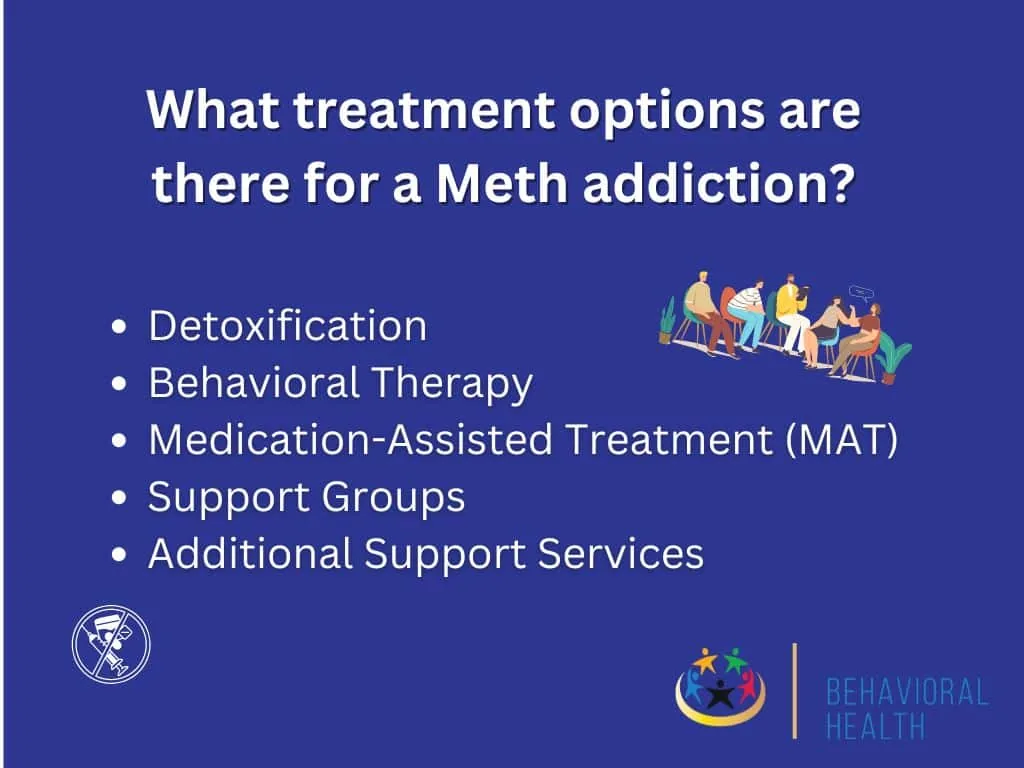
The following are the meth addiction treatment options:
Meth Detox and Medical Supervision
Meth detox marks the first step in recovery by safely removing the drug from the body. Medical detox programs provide 24/7 monitoring to manage withdrawal symptoms and prevent complications. Healthcare professionals administer medications to reduce discomfort, monitor vital signs, and address any medical emergencies that arise during withdrawal.
Professional detox significantly improves treatment outcomes compared to attempting withdrawal alone. Medical supervision reduces relapse risk during the vulnerable early withdrawal period. Detox programs also assess co-occurring mental health conditions and develop comprehensive treatment plans addressing all recovery needs.
How to detox from meth safely requires professional guidance. Attempting to quit meth “cold turkey” without medical support can be dangerous due to severe depression and suicidal thoughts. Medical detox provides a controlled environment where withdrawal symptoms receive proper management and monitoring.
Behavioral Therapies for Meth Addiction
Behavioral therapy forms the foundation of evidence-based meth addiction treatment. These therapeutic approaches help individuals identify triggers, develop coping strategies, and build skills necessary for maintaining long-term sobriety.
The follwoing are the behavioral therapies for meth addiction:
Cognitive-Behavioral Therapy (CBT):
CBT teaches individuals to recognize and change negative thought patterns that contribute to drug use. Therapists work with clients to identify high-risk situations and develop practical coping strategies. Cognitive Behavioral Therapies help people challenge distorted thinking, manage cravings, and build problem-solving skills that prevent relapse.
Contingency Management (CM):
Contingency management uses positive reinforcement to encourage abstinence. Participants receive tangible rewards like vouchers or prizes for drug-free urine tests. This evidence-based approach leverages the brain’s reward system to reinforce recovery behaviors. Studies show CM significantly increases treatment retention and continuous abstinence periods.
Motivational Interviewing (MI):
MI helps individuals explore their ambivalence about recovery and build internal motivation for change. Therapists use supportive, non-judgmental techniques to strengthen commitment to treatment goals. This approach proves particularly effective for people uncertain about quitting or struggling with treatment engagement.
The Matrix Model:
The Matrix Model specifically targets stimulant addiction through structured 16-week outpatient treatment. This comprehensive approach combines CBT, family education, drug testing, and 12-step participation. The program emphasizes building a therapeutic relationship between counselor and client while providing practical recovery tools.
Rediscover Life at Olympic Behavioral Health
Get the compassionate support you deserve. We're here to help you reclaim joy, wellness, and a brighter future.
Our Facility Medication-Assisted Treatment for Meth Addiction
Currently no FDA-approved medications specifically treat methamphetamine addiction. However, healthcare providers use various medications to manage withdrawal symptoms and treat co-occurring mental health conditions. Medication-assisted treatment improves comfort during early recovery and addresses underlying issues contributing to addiction.
Common medications used in meth addiction treatment include antidepressants for depression and anxiety, sleep aids for insomnia, anti-anxiety medications for acute anxiety symptoms, and antipsychotics for severe paranoia or hallucinations. These medications support recovery by stabilizing mood and reducing psychological distress during early abstinence.
Meth Rehab Programs and Treatment Settings
Meth rehab programs offer structured environments focused on recovery from methamphetamine addiction. These specialized treatment centers provide comprehensive care combining medical services, behavioral therapy, and peer support. Choosing the appropriate treatment setting depends on addiction severity, personal circumstances, and available support systems.
The following are the meth rahab programs:
Residential Meth Rehab (Inpatient Treatment):
Residential treatment provides 24/7 care in a structured, drug-free environment. Individuals live at the meth addiction treatment center for 30-90 days while participating in intensive daily therapy. This setting removes people from triggering environments and provides constant support during early recovery. Residential programs work best for severe addictions or unstable living situations.
Outpatient Meth Addiction Treatment:
Outpatient programs allow individuals to live at home while attending scheduled therapy sessions. Intensive outpatient programs (IOP) require 9-20 hours weekly while standard outpatient involves 1-2 sessions per week. This flexibility helps people maintain work and family obligations during treatment. Outpatient care suits individuals with strong support systems and less severe addictions.
Partial Hospitalization Programs (PHP):
PHP offers day treatment with medical supervision but allows patients to return home evenings. Participants attend treatment 5-7 days weekly for 4-6 hours daily. This level of care bridges the gap between inpatient and outpatient treatment, providing intensive support while maintaining some independence.
Support Groups and Peer Recovery
Support groups provide ongoing encouragement and accountability crucial for long-term meth recovery. These groups connect individuals with others facing similar challenges. Sharing experiences reduces isolation and reinforces commitment to sobriety. Regular attendance significantly improves abstinence rates and quality of life during recovery.
Narcotics Anonymous (NA) offers free peer support through 12-step meetings nationwide. Crystal Meth Anonymous specifically addresses methamphetamine addiction. SMART Recovery provides science-based alternative to 12-step programs. Many treatment centers also facilitate alumni groups helping graduates maintain connections and accountability.
Are you covered for treatment?
Olympic Behavioral Health is an approved provider for Blue Shield and Tufts while also accepting many other major insurance carriers.
Check Coverage Now!Long-Term Recovery and Relapse Prevention
Meth recovery extends far beyond initial treatment completion. Long-term success requires ongoing effort, support, and lifestyle changes. Building a relapse prevention plan helps individuals maintain sobriety when facing triggers or challenges. Relapse doesn’t mean treatment failure but indicates need for additional support or treatment adjustments.
Effective relapse prevention strategies include regular therapy or counseling sessions, consistent support group attendance, healthy lifestyle habits (exercise, nutrition, sleep), stress management techniques, avoiding high-risk people and places, building sober social networks, and developing meaningful activities or hobbies that provide purpose.
Sources
-
- Substance Abuse and Mental Health Services Administration (SAMHSA). (2022). Key Substance Use and Mental Health Indicators in the United States: Results from the 2021 National Survey on Drug Use and Health. HHS Publication No. PEP22-07-01-005, NSDUH Series H-57.
- National Institute on Drug Abuse (NIDA). (2023). Methamphetamine DrugFacts. National Institutes of Health.
- Centers for Disease Control and Prevention (CDC). (2022). Drug Overdose Deaths in the United States, 2001-2021. National Center for Health Statistics.
- American Psychiatric Association. (2022). Diagnostic and Statistical Manual of Mental Disorders, Fifth Edition, Text Revision (DSM-5-TR). Washington, DC: American Psychiatric Publishing.
- Drug Enforcement Administration (DEA). (2023). Drug Scheduling. U.S. Department of Justice.
- Rawson, R. A., Marinelli-Casey, P., Anglin, M. D., Dickow, A., Frazier, Y., Gallagher, C., Galloway, G. P., Herrell, J., Huber, A., McCann, M. J., Obert, J., Pennell, S., Reiber, C., Vandersloot, D., & Zweben, J. (2004). A multi-site comparison of psychosocial approaches for the treatment of methamphetamine dependence. Addiction, 99(6), 708-717.
- Substance Abuse and Mental Health Services Administration (SAMHSA). (2021). Treatment for Stimulant Use Disorders: Treatment Improvement Protocol (TIP) Series 33. HHS Publication No. PEP21-02-01-002.
- Newton, T. F., De La Garza, R., Kalechstein, A. D., & Nestor, L. (2005). Theories of addiction: Methamphetamine users’ explanations for continuing drug use and relapse. The American Journal on Addictions, 14(2), 128-142.
- McKetin, R., Lubman, D. I., Lee, N. M., Ross, J. E., & Slade, T. N. (2011). Major depression among methamphetamine users entering drug treatment programs. Medical Journal of Australia, 195(3), S51-S55.
- Lee, N. K., & Rawson, R. A. (2008). A systematic review of cognitive and behavioural therapies for methamphetamine dependence. Drug and Alcohol Review, 27(3), 309-317.
Share This Post

Adam Siegel
View profile
Lisa Alleva
View profile
Treatments we offer:
Are you covered for treatment?








Olympic Behavioral Health is an approved provider for Blue Shield and Tufts, while also accepting many other major insurance carriers.
Check Coverage Now!