Matrix Model: What Is It and Its Benefits

The Matrix Model offers a proven framework that combines therapy, education, and support to help individuals achieve lasting recovery. In Florida, where approximately 4.2% of adults reported using cocaine or methamphetamine in 2022, as reported by SAMHSA, tailored treatment options like the Matrix Model are paramount.
The Matrix Model works through a combination of individual and group therapy, early recovery skills training, and relapse prevention strategies. It actively involves family education and employs accountability measures such as drug testing and community support integration. Delivered over a 16-week period, it emphasizes motivation and consistent care, while addressing co-occurring mental health conditions. Evidence-based therapies like Cognitive Behavioral Therapy (CBT), Motivational Interviewing, trauma-informed care, and holistic approaches support clients on their recovery journey. Understanding who the Matrix Model is designed for, how it functions, and its benefits will guide you and your families toward the right treatment choice.
What Is the Matrix Model?

The Matrix Model is an evidence-based, structured outpatient treatment approach for stimulant addiction, particularly methamphetamine and cocaine. It integrates cognitive behavioral therapy (CBT), relapse prevention, family education, and support group participation within a time-limited framework.
Did you know most health insurance plans cover substance use disorder treatment? Check your coverage online now.
Who the Matrix Model Is Designed For?
The Matrix Model is designed for individuals struggling with stimulant use disorders, especially those who require structure without full-time residential care. It is suitable for adults seeking long-term sobriety, combined with co-occurring mental health conditions.
In Florida, stimulant use disorders are a significant concern. According to the National Survey on Drug Use and Health, approximately 0.53% of Floridians aged 12 and older reported methamphetamine use in the past year. Cocaine use is also prevalent, with 1.43% of Floridians in the same age group reporting past-year use.
How the Matrix Model Works?
The Matrix Model works by combining individual and group therapy sessions with educational components, drug testing, and support systems to promote long-term recovery. This structured approach is delivered over a 16-week period, emphasizing accountability, motivation, and community reinforcement.
In Florida, such structured outpatient programs help fill a crucial gap between inpatient care and less intensive services. This model aligns well with Florida’s growing need for flexible yet comprehensive treatment options that accommodate work and family commitments while addressing complex addiction challenges.
What Are the Key Components of the Matrix Model?
The key components of the Matrix Model are structured therapy sessions, recovery skill development, and relapse prevention. These components reinforce sobriety and reduce the risk of relapse.

The key components of the Matrix Model are as follows:
Contact us today to schedule an initial assessment or to learn more about our services. Whether you are seeking intensive outpatient care or simply need guidance on your mental health journey, we are here to help.
Individual and Group Therapy
Clients attend both individual and group sessions to address behavioral patterns and develop recovery-oriented skills. Therapy is facilitated by licensed clinicians who tailor approaches to each client’s needs, often incorporating trauma-informed care. The group therapy fosters peer support, building a sense of community necessary for sustained recovery.
Early Recovery Skills Training
Focused sessions teach strategies to manage cravings, build a routine, and cope with high-risk situations. Clients engage in practical skill-building activities, including mindfulness and stress management techniques. These early interventions are designed to empower clients to regain control over their daily lives.
Relapse Prevention Strategies
Clients learn to identify triggers and develop a prevention plan to sustain long-term sobriety. The relapse prevention program includes ongoing coaching and personalized relapse prevention plans that adapt as recovery progresses. This proactive approach emphasizes recognizing warning signs before relapse occurs.
Rediscover Life at Olympic Behavioral Health
Get the compassionate support you deserve. We're here to help you reclaim joy, wellness, and a brighter future.
Our Facility
Family Involvement and Education
Families participate in educational and counseling sessions to better support their loved one’s recovery. These family therapy sessions offer communication strategies and guidance on setting healthy boundaries. Family involvement is considered essential for creating a stable recovery environment outside treatment.
Drug Testing and Accountability
Regular drug testing ensures compliance, reinforces abstinence, and helps track progress. Testing is conducted in a respectful and confidential manner to encourage honesty and accountability. Results are used to adjust treatment plans as needed to best support each client’s journey.
12-Step and Community Support Integration
Clients are encouraged to participate in 12-step programs or similar community-based support groups. Treatment includes bridging clients with local recovery communities and peer support networks. This integration helps maintain connection and motivation beyond the clinical setting.
Are you covered for treatment?

Olympic Behavioral Health is an approved provider for Blue Shield and Tufts while also accepting many other major insurance carriers.
Check Coverage Now!What Is the Duration of the Matrix Model?
The Matrix Model lasts 16 weeks, with continued aftercare support recommended to maintain recovery gains. The frequency of sessions is intensive during the early phases and gradually tapers.
The 16-week duration aligns well with evidence showing that sustained treatment improves outcomes for stimulant use disorders. In Florida, where stimulant-related treatment admissions have steadily increased, this structured timeline offers a comprehensive framework to address both addiction and co-occurring mental health challenges.
What Are the Benefits of the Matrix Model for Substance Use Recovery in Florida?
The benefits of the Matrix Model for substance use recovery are improved engagement, reduced relapse risk, and better long-term outcomes in outpatient settings. It provides flexible yet structured care, which is critical in Florida’s diverse treatment landscape.

The benefits of the Matrix Model are as follows:
- Structured Support Without Inpatient Restrictions: Clients receive high-level clinical care while maintaining daily responsibilities and community ties.
- Improved Long-Term Outcomes: Studies like one by Rawson et al. 2004, titled “A Multi-Site Comparison of Cognitive-Behavioral Therapy and the Matrix Model for Treatment of Methamphetamine Dependence,” show better abstinence rates and reduced relapse among those who complete Matrix-based programs.
- Enhanced Motivation and Accountability: The structured format, frequent testing, and consistent feedback promote ongoing commitment to recovery.
- Peer and Family Involvement: Integrated support systems foster stronger recovery networks and rebuild family relationships.
What Therapies are Offered as a Part of the Matrix Model?
The therapies offered as a part of the Matrix Model include behavioral interventions, trauma-informed care, holistic supports, and dual diagnosis treatment tailored to individual needs. These therapies work together to address both substance use and any co-occurring mental health conditions, promoting a comprehensive path to recovery.

The following therapies are used as part of the Matrix Model:
Did you know most health insurance plans cover substance use disorder treatment? Check your coverage online now.
Cognitive Behavioral Therapy (CBT)
Clients engage in evidence-based CBT sessions focused on identifying triggers and developing practical coping skills. This therapy is integrated into individual and group formats to reinforce positive behavioral changes throughout treatment.
Motivational Interviewing (MI)
Motivational Interviewing is used to enhance engagement and resolve ambivalence toward recovery goals. Skilled clinicians provide compassionate support to strengthen clients’ intrinsic motivation for lasting change during Motivational Interviewing.
Trauma-Informed Care
Therapists incorporate trauma-informed principles to create a safe, supportive environment that acknowledges past adverse experiences. This approach helps clients process trauma while building resilience and healthy coping mechanisms.
Contact us today to schedule an initial assessment or to learn more about our services. Whether you are seeking intensive outpatient care or simply need guidance on your mental health journey, we are here to help.
Holistic Therapies
A variety of holistic modalities, including yoga, meditation, acupuncture, and chiropractic care, complement traditional therapies to promote overall wellness. These options help reduce stress, improve sleep, and enhance emotional balance during recovery.
Dual Diagnosis and Co-Occurring Mental Health Support
Integrated treatment plans address both substance use disorders and co-occurring mental health conditions like anxiety or depression. Psychiatric evaluations and medication management are offered during dual diagnosis alongside therapy to ensure comprehensive care.
Is the Matrix Model Right for You or Your Loved One?
The Matrix Model is ideal for you if you are seeking structured outpatient recovery with clinical oversight. This approach provides a balanced combination of accountability, skill-building, and support, making it effective for individuals wanting to maintain daily responsibilities while pursuing lasting recovery.
Rediscover Life at Olympic Behavioral Health
Get the compassionate support you deserve. We're here to help you reclaim joy, wellness, and a brighter future.
Our Facility Does Insurance Cover Matrix Models in Florida?
Yes, many Florida insurance plans cover outpatient treatment programs like the Matrix Model. Coverage includes services under Medicaid, Medicare, and major private insurers operating in the state. However, specific benefits and copays vary widely, so it’s important to check directly with your insurance provider and the treatment facility. Pre-authorization is required to ensure the program is covered without unexpected costs.
Share This Post

Adam Siegel
View profile
Lisa Alleva
View profile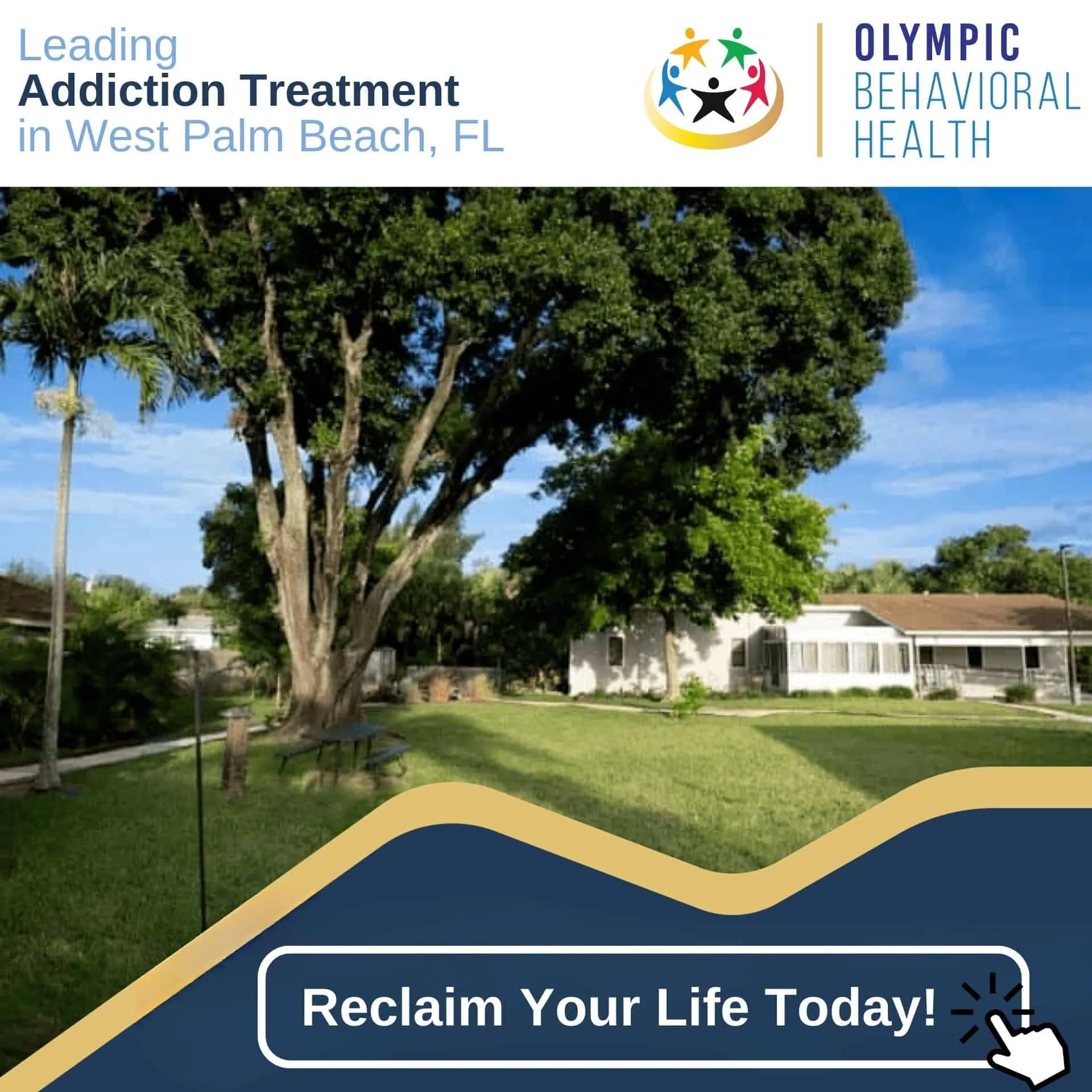
Treatments we offer:
Are you covered for treatment?








Olympic Behavioral Health is an approved provider for Blue Shield and Tufts, while also accepting many other major insurance carriers.
Check Coverage Now!