Loving Someone With Addiction: How to Help, Cope, and Protect Yourself

Loving someone with addiction creates profound emotional challenges requiring a balance between support and self-preservation. Effective support combines compassionate understanding with firm boundaries, preventing enablement. The partner’s role involves encouraging treatment without forcing change and recognizing when continued relationship participation becomes harmful.
Support strategies include active listening, education about addiction, connection with partner support groups, and professional counseling addressing codependency. Setting boundaries while loving someone with addiction protects emotional health without abandoning the struggling individual. Decisions about relationship continuation require honest assessment of safety, children’s welfare, repeated treatment refusals, and personal breaking points.
Key Highlights
- Loving an addict requires distinguishing support from enablement. Providing emotional encouragement and treatment resources helps recovery while protecting them from consequences, providing money, or making excuses perpetuates addiction.
- Living with active addiction affects partners’ mental health through chronic stress, anxiety, depression, and trauma symptoms requiring independent therapeutic support regardless of the addict’s treatment status.
- Setting boundaries protects your wellbeing without requiring relationship abandonment, clear limits around acceptable behaviors, financial protection, and emotional availability preserve your mental health while maintaining connection.
- Knowing when to leave involves assessing violence presence, children’s safety, repeated treatment refusals after multiple attempts, or personal well-being deterioration beyond sustainable levels. Leaving represents self-preservation, not failure.
Did you know most health insurance plans cover substance use disorder treatment? Check your coverage online now.
Understanding Addiction as a Partner
Addiction represents a chronic brain disease affecting judgment, impulse control, and decision-making. Substance use hijacks brain reward systems, creating compulsive behavior despite consequences.
Your partner’s behavior stems from neurological changes, not character flaws. Brain chemistry alterations require professional treatment. Genetics accounts for 40-60% of addiction vulnerability.
Recovery requires professional intervention, not willpower alone. Family support enhances outcomes but cannot substitute professional care.
Living with Someone With Addiction
Life with someone with an addiction becomes unpredictable and chaotic. Plans change without warning. Commitments break repeatedly. Financial stability erodes as resources are depleted rapidly.
Watching someone you love self-destruct causes profound pain. Isolation increases through embarrassment. Emotional exhaustion becomes constant. Trust disappears completely through habitual lying.
Relationship intimacy deteriorates significantly. Emotional connection severed. Partnership becomes caretaking instead. Life narrows around managing a crisis.
How to Help Someone With Addiction
To help someone with addiction, express concern using specific observed behaviors. Share how addiction affects you directly. Use “I” statements, avoiding accusations.
Provide treatment information without pressure. Research options together when ready. Offer logistical support for appointments. Celebrate small positive steps genuinely.
Avoid lecturing, moralizing, or shaming. Threats without follow-through lose credibility. Controlling behaviors increase resentment. Covering consequences enables continued use.
Expect gradual change with frequent setbacks. Relapse represents a common occurrence, not failure. Patience proves essential throughout the recovery journey.
Contact us today to schedule an initial assessment or to learn more about our services. Whether you are seeking intensive outpatient care or simply need guidance on your mental health journey, we are here to help.
How to Cope With Loving Someone with Addiction
To cope with loving someone with addiction is about acknowledging your feelings as valid, including anger, resentment, fear, and grief, which coexist naturally. Seek individual therapy addressing your trauma. Practice self-compassion generously.
Join Al-Anon or Nar-Anon meetings regularly. These groups understand your specific struggles. Individual therapy addresses personal mental health. Build support networks outside the relationship.
Establish routines providing stability. Document incidents for clarity. Practice detachment with love. Set realistic expectations for yourself only.
Setting Boundaries Without Enabling
Loving someone with addiction is different from enabling them. Support encourages treatment and celebrates progress. Enablement protects from natural consequences. Support empowers; enablement disables growth.
Refuse financial support for substances. Say no to money requests. Protect joint accounts and credit. Declining to cover their responsibilities.
Establish consequences for unacceptable behaviors. Define clear violation responses. Follow through consistently. Protect your physical and emotional safety.
State boundaries clearly without anger. Explain limits calmly and specifically. Expect resistance initially. Seek support in maintaining boundaries.
Supporting an Addict in Recovery
Recovery support differs dramatically from active addiction management. Celebrate treatment completion and milestone achievements. Respect their recovery program fully.
Adjust expectations realistically. Recovery involves gradual change. Avoid triggers and high-risk situations. Remove substances from the home completely.
Maintain your own support network. Continue Al-Anon attendance. Rebuild trust slowly through consistent actions. Plan relapse response strategies together.
Rediscover Life at Olympic Behavioral Health
Get the compassionate support you deserve. We're here to help you reclaim joy, wellness, and a brighter future.
Our Facility
When to Leave an Addict
Leaving someone struggling with addiction involves difficult but sometimes necessary decisions. Staying doesn’t always represent loyalty or love.
The following are the reasons to leave an addict:
Safety Concerns
Physical violence of any kind requires immediate departure. Safety supersedes all other considerations. Abuse escalation patterns prove dangerous. Protection takes absolute priority.
Emotional abuse creates lasting psychological damage. Verbal attacks destroy self-worth progressively. Manipulation and gaslighting harm profoundly. Mental health protection matters equally.
Children’s safety demands action. Exposure to substance use harms development. Unsafe environments cause lasting trauma. Parental duty requires protection prioritization.
Repeated Treatment Refusals
Multiple intervention attempts without response indicate unwillingness. You cannot force change on unwilling individuals. Continued refusal demonstrates current priorities. Acceptance enables self-protection decisions.
Broken treatment promises following multiple chances. Initial agreements followed by dropout patterns. Consistently to professional help. Actions contradict stated intentions repeatedly.
Are you covered for treatment?

Olympic Behavioral Health is an approved provider for Blue Shield and Tufts while also accepting many other major insurance carriers.
Check Coverage Now!Personal Wellbeing Deterioration
Your mental health is declining significantly. Depression, anxiety, or trauma symptoms are intensifying. Physical health suffers from chronic stress. Well-being deterioration signals unsustainability.
Life quality is diminishing unacceptably. Joy is disappearing completely from existence. Identity loss through relationship consumption. Personal dreams abandoned entirely.
Financial devastation threatens future security. Debt accumulation continues unchecked. Retirement savings were depleted completely. Economic survival is becoming questionable.
When Leaving Represents Self-Preservation
Leaving doesn’t mean you failed, because loving someone with addiction is very difficult. Some situations exceed individual capacity. Self-preservation represents a legitimate choice. You cannot save someone determined on destruction.
Maintaining relationship hope requires evidence of effort. Without treatment engagement, hope lacks foundation. False hope prevents moving forward. Realistic assessment enables healthy decisions.
Leaving creates space for them to hit bottom. Sometimes relationship loss motivates change. Natural consequences teach effectively. Your departure might precipitate transformation.
Professional guidance supports leaving decisions. Therapists help assess the situation objectively. Safety planning proves essential. Legal and financial advice protects interests.
Loving Someone with Addiction vs Enabling an Addict
There is a difference between loving someone with addiction and enabling an addict:
| Aspect | Loving Support | Enabling Behavior |
|---|---|---|
| Financial Assistance | Refuse money without accountability; protect personal finances | Provide money for substances; pay bills they should cover |
| Consequences | Allow natural consequences; support through difficulties | Shield from consequences; bail out repeatedly |
| Treatment Encouragement | Offer resources; support when ready | Push, nag, or force treatment; give ultimatums without follow-through |
| Boundaries | Set clear limits; enforce consistently | Flexible boundaries; exceptions made constantly |
| Emotional Response | Express care with honesty; share impact | Accept abuse; suppress feelings to keep peace |
| Responsibility | They’re responsible for recovery | Feel responsible for their sobriety |
| Self-Care | Prioritize own wellbeing; maintain boundaries | Sacrifice health for their comfort |
| Communication | Honest about feelings and limits | Lie to protect them; hide reality from others |
Did you know most health insurance plans cover substance use disorder treatment? Check your coverage online now.
Support Resources for Spouses and Partners
Al-Anon supports families of alcoholics worldwide. Nar-Anon serves families of drug addicts. SMART Recovery Family & Friends offers science-based approaches.
Individual therapy addresses personal mental health. Couples therapy rebuilds damaged relationships. Family therapy includes all affected members.
The National Institute on Drug Abuse provides scientific information. SAMHSA National Helpline offers 24/7 support (1-800-662-4357). Addiction-specialized attorneys protect legal interests.
FAQs
How do I help an addict who doesn't want help?
You cannot force someone into recovery. Express concern without demands. Provide treatment information when receptive. Set boundaries to protect yourself. Allow natural consequences to motivate change.
How do I cope with loving an addict?
Join Al-Anon or Nar-Anon for community support. Seek individual therapy. Maintain activities bringing personal joy. Practice self-compassion and detachment with love. Set firm boundaries protecting mental health.
What's the difference between supporting and enabling?
Support encourages treatment and celebrates recovery while maintaining boundaries. Enabling protects from natural consequences, provides money for substances, or sacrifices personal well-being. Support focuses on long-term health; enabling seeks immediate comfort.
Sources
- National Institute on Drug Abuse. (2020). Drugs, Brains, and Behavior: The Science of Addiction. National Institutes of Health.
- Al-Anon Family Groups. (2022). How Al-Anon Works for Families & Friends of Alcoholics. Al-Anon Family Group Headquarters, Inc.
- Substance Abuse and Mental Health Services Administration. (2020). Families and Addiction. SAMHSA Publication.
Share This Post

Adam Siegel
View profile
Lisa Alleva
View profile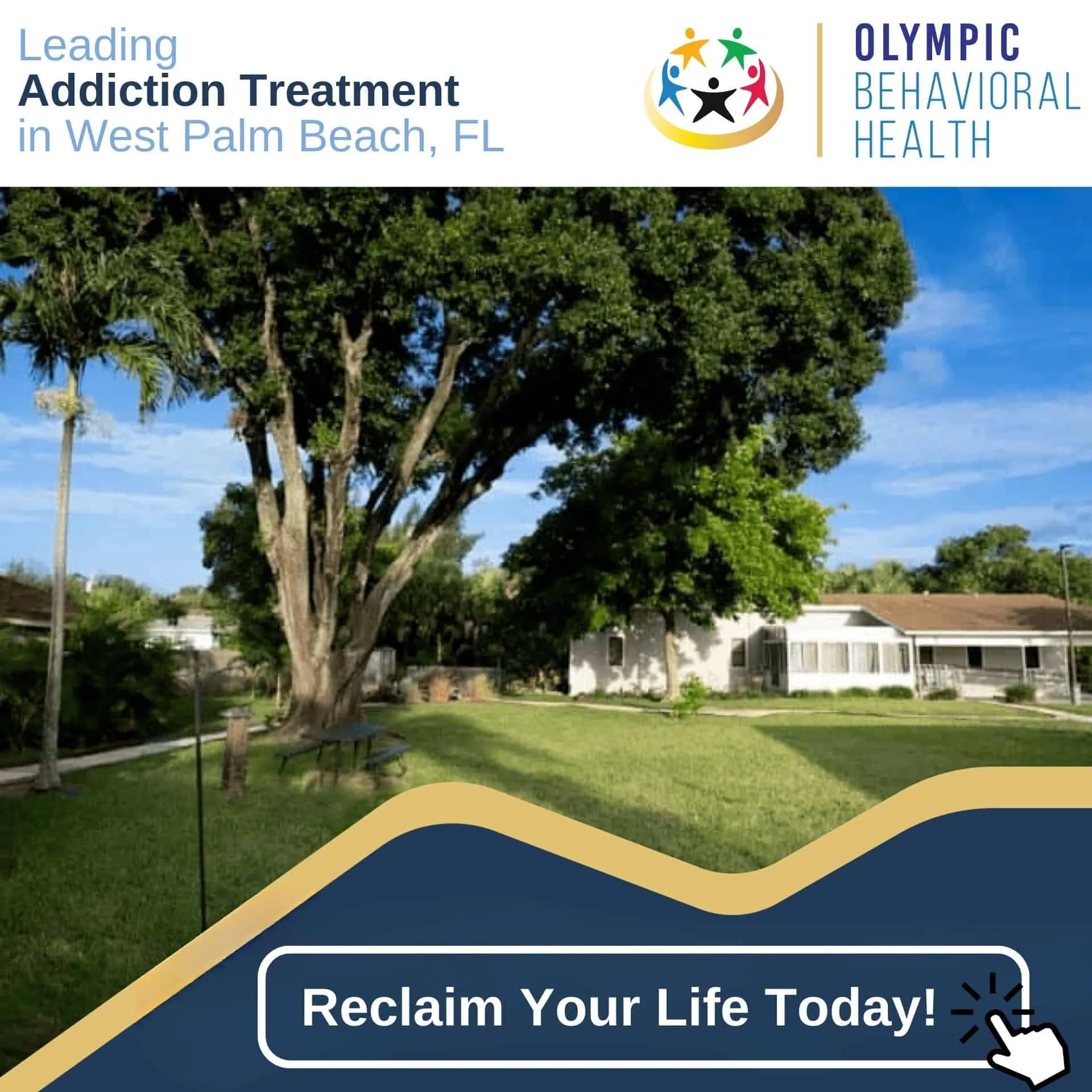
Treatments we offer:
Are you covered for treatment?








Olympic Behavioral Health is an approved provider for Blue Shield and Tufts, while also accepting many other major insurance carriers.
Check Coverage Now!