What Is the First Step Toward Getting Treatment for Alcohol Addiction?

The first step toward getting treatment for alcohol addiction is recognizing and accepting that alcohol use has become a problem. This moment of self-awareness lays the foundation for meaningful recovery, allowing you or your loved one to move beyond denial and begin seeking professional help.
In Florida, the annual average alcohol abuse prevalence rate from 2017 to 2019 was 4.20%, meaning that roughly 903,000 Floridians are affected by alcohol use disorder (AUD). However, according to the Substance Abuse and Mental Health Services Administration (SAMHSA) in the 2019 State Profile, only 19,324 individuals sought treatment for alcohol abuse in Florida.
This highlights a significant gap of approximately 883,676 people who are struggling with AUD but are not accessing treatment, driven by denial and the failure to acknowledge alcohol addiction.
How Important Is Acknowledging Alcohol Addiction for Seeking Treatment?
Acknowledging alcohol addiction is important for seeking treatment because it marks the necessary first step toward recovery. Self-awareness allows individuals to recognize harmful drinking patterns, accept the need for change, and actively pursue help.
In Florida, 17.5% of adults over 18 binge drink at least once per month, according to data from the Centers for Disease Control and Prevention (2015-2019). Despite the high prevalence of alcohol misuse, only a small fraction seeks treatment, underscoring how denial and failure to acknowledge the addiction prevent many from taking the first step toward recovery.
Did you know most health insurance plans cover substance use disorder treatment? Check your coverage online now.
What Role Do Family and Friends Play in Helping You Accept Alcohol Addiction?
Family and friends play a pivotal role in helping you accept alcohol addiction by providing emotional support, staging interventions, and setting healthy boundaries. Family is the first to recognize unhealthy drinking habits and the best people to offer comfort while gently encouraging you to face the reality of addiction.
By setting boundaries, loved ones protect themselves from enabling behaviors and help emphasize the need for change. Strong support from family and friends enhances motivation and accountability throughout treatment.
How Does Denial Prevent Recovery from Alcoholism?
Denial prevents recovery from alcoholism by creating a psychological barrier that distorts reality and minimizes the severity of the problem. Individuals rationalize or excuse their drinking to avoid confronting the truth, making it harder to recognize the need for help.
The denial mindset delays alcohol addiction treatment and allows harmful drinking patterns to continue. Without acknowledging the problem, recovery cannot begin.
What Are the Key Signs that Indicate a Need for Alcohol Addiction Treatment?
The key signs that indicate a need for alcohol addiction treatment include persistent cravings, loss of control over drinking, and continued alcohol use despite negative consequences. According to the DSM-5 criteria, a diagnosis of AUD requires the presence of at least two or more of these symptoms within 12 months.

The following are the key signs that indicate a need for alcohol addiction treatment:
- Inability to Control Drinking: Regularly drinking more than intended or being unable to cut back despite efforts is a clear indicator of AUD and signals a need for treatment.
- Increased Tolerance: Needing larger amounts of alcohol to feel the same effects shows the body has adapted to alcohol use, escalating the risk of dependence.
- Withdrawal Symptoms: Experiencing nausea, tremors, anxiety, or irritability when not drinking points to physical dependence and a need for medical intervention.
- Neglecting Responsibilities: Frequent absences or poor performance at work or school, and strained relationships, reflect the growing impact of alcohol on daily functioning. Substance-abusing employees, including those with alcohol issues, are 4 to 8 times more likely to be absent from work than others.
- Continued Use Despite Consequences: Persisting with alcohol use even after health issues, legal problems, or relationship breakdowns shows compulsive behavior that requires clinical support. In Florida, alcohol was involved in nearly 27% of traffic deaths in 2019, underscoring the risks of unchecked use.
- Cravings for Alcohol: Strong urges to drink that disrupt thoughts or behavior show psychological dependence and are a key symptom of addiction.
- Loss of Interest in Other Activities: Giving up hobbies or social interactions to drink instead indicates that alcohol has become the central focus of life.
- Memory Blackouts or Impaired Judgment: Repeated episodes of memory loss or poor decisions while drinking signal serious cognitive effects from alcohol and require immediate attention.
Contact us today to schedule an initial assessment or to learn more about our services. Whether you are seeking intensive outpatient care or simply need guidance on your mental health journey, we are here to help.
Who Can Guide You Through the First Step of Alcohol Addiction Treatment?
Family members, friends, addiction specialists, counselors, and peer support groups can help you take the first step in alcohol addiction treatment. A strong support system is important, as loved ones provide encouragement, accountability, and emotional stability for a consistent and lasting recovery process.
Addiction specialists and counselors are skilled in assessing your condition, providing therapy, and guiding you through evidence-based treatment options. Peer support groups such as Alcoholics Anonymous (AA) offer valuable mentorship and shared experiences that reinforce your commitment to sobriety.
What Professional Resources Are Available in Florida for Getting Started with AUD Treatment?
Professional resources available for getting started with AUD treatment include rehab centers, hotlines, and online support platforms. These resources provide medical evaluations, detox services, therapy, and recovery planning to help individuals begin treatment for Alcohol Use Disorder (AUD).

- Rehab Centers in Florida: Florida offers a range of licensed rehab facilities providing inpatient and outpatient care. They offer partial hospitalization (PHP) and intensive outpatient programs (IOP) tailored to individual needs. Clinical staff assist with evaluations, treatment planning, and transition into long-term recovery.
- State and National Hotlines: The Florida Department of Children and Families (DCF) and the SAMHSA National Helpline (1-800-662-HELP) connect individuals to local treatment providers. These services offer confidential guidance and referrals for immediate help across the state.
- Online and Telehealth Services: Floridians can access support through virtual therapy, telehealth addiction counseling, and online recovery communities. Some rehabs also offer virtual therapy and follow-up care options, providing flexible treatment access statewide.
What Are the Main Reasons People Avoid Alcohol Addiction Treatment?
The main reasons people avoid alcohol addiction treatment include stigma, financial barriers, fear of withdrawal, and lack of support. These factors discourage individuals from seeking help, even when they recognize the need for treatment, thereby worsening their Alcohol Use Disorder (AUD).

The following are the main reasons people avoid alcohol addiction treatment:
- Social Stigma: Fear of judgment and discrimination prevents many from admitting they have a problem or pursuing help. Addiction is viewed as a moral failing rather than a medical issue. Studies by NIAAA indicate that stigma is a significant barrier to treatment, especially among younger adults and marginalized groups. As noted in “When It Comes to Reducing Alcohol-Related Stigma, Words Matter,” person-first, non-stigmatizing language reduces this barrier.
- Financial Barriers: High treatment costs, lack of insurance, and fear of job loss make care inaccessible for many. According to Grant BF et al. 2015 in a study titled “The Alcohol Use Disorder and Associated Disabilities Interview Schedule-5 (AUDADIS-5): Reliability of Substance Use and Psychiatric Disorder Modules in a General Population Sample,” inadequate insurance and unaffordable treatment are primary reasons people avoid care. Although the Mental Health Parity and Addiction Equity Act of 2008 improved insurance coverage, uninsured individuals, especially those aged 19 to 24, still face significant obstacles.
- Fear of Withdrawal: Withdrawal symptoms like tremors, anxiety, nausea, or seizures deter individuals from starting treatment. Without medical supervision, the discomfort and potential danger of withdrawal often lead people to delay or avoid seeking help.
- Lack of Support: People without encouragement from family, friends, or professionals often feel too isolated to pursue recovery. Tracy K and Wallace SP. et al. 2016, titled “Benefits of peer support groups in the treatment of addiction,” found that peer support and community resources significantly influence treatment entry.
Rediscover Life at Olympic Behavioral Health
Get the compassionate support you deserve. We're here to help you reclaim joy, wellness, and a brighter future.
Our Facility
What Happens After You Decide to Get Help for Alcohol Addiction in Florida?
After you decide to get help for alcohol addiction in Florida, you begin a structured process aimed at recovery through assessment, detoxification, treatment planning, and ongoing care. Addiction treatment service providers offer a full continuum of care in a supportive, comfortable environment, including residential treatment, outpatient services, and dual diagnosis care tailored to individual needs.

After you decide to get help for alcohol addiction in Florida, you undergo the following steps:
- Intake and Assessment: A clinical team evaluates your alcohol use history, mental health, and physical condition. This step ensures your treatment plan is personalized and aligned with your recovery goals.
- Detoxification (Detox): Medically supervised detox helps you safely withdraw from alcohol. Staff monitor symptoms and provide medications when necessary to reduce discomfort and risk. Once stabilized, individuals continue their recovery through residential or outpatient treatment.
- Treatment Planning: Based on your assessment, a treatment plan is developed that includes evidence-based therapies, medication-assisted treatment (MAT), and support services designed to address both addiction and co-occurring disorders.
- Rehabilitation and Therapy: You participate in individual and group therapy, cognitive-behavioral techniques, life skills training, and relapse prevention strategies to build a strong foundation for sobriety.
- Aftercare and Relapse Prevention: Long-term support is provided through outpatient programs, alumni groups, therapy sessions, and ongoing monitoring to help you maintain recovery and manage challenges as they arise.
How Do You Choose the Right Alcohol Addiction Treatment Program in Florida?
To choose the right alcohol addiction treatment program in Florida, evaluate various factors such as your specific needs, the severity of your alcohol use disorder (AUD), available resources, and personal preferences. Reputable rehabs offer fully licensed and Joint Commission-accredited care tailored to the individual needs of those seeking alcohol addiction treatment programs in Florida.

You choose the right alcohol addiction treatment program in Florida by considering the following things:
- Level of Care Needed: Look for an addiction treatment program in Florida that offers both Partial Hospitalization Programs (PHP) and Intensive Outpatient Programs (IOP), which are effective for a range of AUD severities. PHP is ideal for those needing structured day programs, while IOP works well for individuals requiring flexibility with continued support.
- Outpatient Flexibility: For clients balancing recovery with daily responsibilities, outpatient services allow participation in treatment while maintaining work or family obligations. Customized scheduling ensures treatment fits your lifestyle without compromising effectiveness.
- Accreditation and Licensing: Look for a treatment center licensed by the State of Florida and accredited by The Joint Commission, ensuring the highest standards in addiction care and clinical safety.
- Evidence-Based Therapies: The alcohol addiction treatment programs must include Cognitive Behavioral Therapy (CBT), Motivational Interviewing (MI), trauma-informed care, and Medication-Assisted Treatment (MAT) when appropriate. These therapies must be delivered by experienced, licensed clinicians trained in alcohol addiction recovery.
- Support Systems and Aftercare: The alcohol addiction treatment program should emphasize long-term recovery through structured aftercare plans that include peer support, relapse prevention, and continued therapy. Clients also benefit from sober living options and alumni programming to maintain progress after formal treatment.
Is it Possible to Stop Drinking Without Professional Help?
Yes, it is possible to stop drinking without professional help, but it is challenging and risky, particularly for heavy drinkers. Abruptly quitting alcohol after prolonged use triggers severe withdrawal symptoms such as seizures, delirium tremens, or, in rare cases, death. Relapse is also more likely; up to 60% of individuals who quit without support return to drinking within a year, according to Psychology Today.
Medical supervision is strongly advised for individuals with Alcohol Use Disorder (AUD) who drink heavily. A professional detox ensures safety by managing withdrawal symptoms with appropriate medications and monitoring. Tapering off alcohol gradually reduces risks, but it should always be done under medical guidance.
What Should You Do If You Relapse After Deciding to Seek Help?
If you relapse after deciding to seek help, you should remember that relapse is a part of the recovery process and doesn’t signify failure. It’s a signal to adjust your approach, not a reason to give up. Clients are offered access to a supportive care team and recovery services that help them respond to setbacks and stay on track.
If you relapse after deciding to seek help, you should follow the steps:
- Acknowledge the relapse without shame: Accept what happened without self-blame. Relapse is common and doesn’t erase progress; it highlights areas that need more focus.
- Contact your care team: Reaching out promptly allows you to process what led to the relapse and reinforce coping strategies.
- Reassess your treatment plan: Based on the circumstances, your treatment approach may be adjusted to include more structured therapy, added support, or referral to a higher level of care.
- Use support systems: Peer groups, counseling, and alumni support services offer immediate reinforcement and connection during vulnerable periods.
- Stay focused on recovery: A relapse is not starting over; it’s learning what didn’t work and building stronger tools for long-term sobriety.
How Long Does It Take to Start Treatment for Alcohol Addiction?
It takes days to weeks to start treatment for alcohol addiction, depending on factors such as treatment facility availability, insurance coverage, and the urgency of the situation. It takes days to weeks to start treatment for alcohol addiction, depending on program availability, insurance approval, and individual needs.
At a good addiction treatment center, admissions are streamlined to minimize delays. Detox, outpatient, and partial hospitalization programs are scheduled based on clinical assessment and availability within a few days. During any wait period, clients are encouraged to begin counseling, attend support group meetings, or consult a care coordinator to stay engaged and safe.
Share This Post

Adam Siegel
View profile
Lisa Alleva
View profile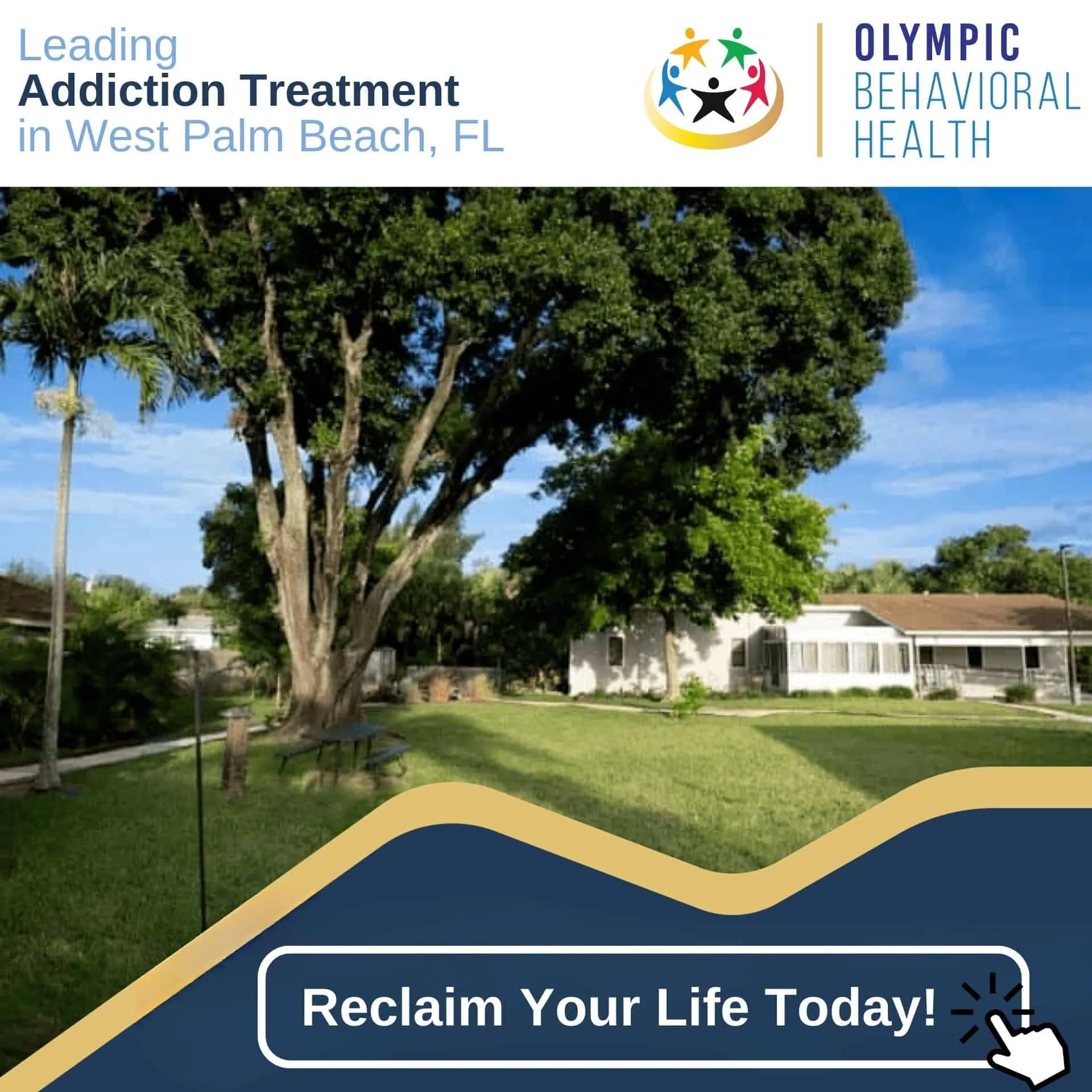
Treatments we offer:
Are you covered for treatment?








Olympic Behavioral Health is an approved provider for Blue Shield and Tufts, while also accepting many other major insurance carriers.
Check Coverage Now!