
Cognitive Behavioral Therapy
CBT works on the conclusions an adjustment disorder stressor produced about your future, which is the part that stays after the event has passed.

★★★★★ 4.8 · 170+ Google Reviews · JCAHO Accredited · LegitScript Certified · BBB A+ · Serving West Palm Beach & Palm Beach County
Adjustment disorder treatment at Olympic Behavioral Health operates from 3618 Lantana Road in Lantana, Florida, 12 miles south of downtown West Palm Beach, and serves Palm Beach County.
Adjustment disorder is distress that follows an identifiable event and runs heavier than the event appears to warrant.
Our JCAHO-accredited, DCF-licensed adjustment disorder counseling treats adults aged 18 to 65 after a job loss, divorce, bereavement or diagnosis, at partial hospitalization (PHP), intensive outpatient (IOP) and outpatient (OP). Outpatient therapy, on-site psychiatry, weekly individual therapy and daily groups sit on a plan that names the event.
If the weeks since have brought thoughts of harming yourself, call or text 988 at any hour.
"*" indicates required fields




What This Page Is For
Adjustment disorder treatment here covers weekly individual therapy, daily group work and medication review on site, at partial hospitalization, intensive outpatient and outpatient. Olympic Behavioral Health treats adults aged 18 to 65 whose work, sleep or relationships stopped functioning after the event.
Everybody struggles after a bad year. Adjustment disorder is a stress related disorder, and what makes it clinical is not how sad you are but how much has stopped working.
Adjustment disorder accounts for 5 to 20 percent of outpatient mental health visits, a figure John W. Barnhill, MD, of New York-Presbyterian Hospital puts on the record in the MSD Manual Professional Edition, citing the DSM-5-TR.
Where the event was a death, grief counseling is the closer fit, and the first call settles whether adjustment disorder treatment or grief counseling applies.

Adjustment disorder is the one diagnosis that requires something to have happened. Pick the event that applies and see what the weeks after it usually look like.
Losing a job
Detail appears here.
Appears here.
Appears here.
Nothing here is scored and nothing here is a diagnosis. These are the events people name at intake, and only a clinical assessment establishes whether a diagnosis applies to any of them.
When to Get Help
The adjustment disorder symptoms that matter clinically are broken sleep, withdrawal, tearfulness and a lost ability to work or plan. Olympic Behavioral Health admits adults aged 18 to 65 on those symptoms after a phone assessment, and no prior diagnosis is needed to call.
A job loss, a divorce or a bereavement can floor a household. What brings people to adjustment disorder treatment is not the event itself but what stopped working after it. Callers to Olympic Behavioral Health describe five things:
Tell Us What Happened
Admissions asks what the event was and when. An adjustment disorder call costs nothing and takes about 30 minutes.
What to Expect
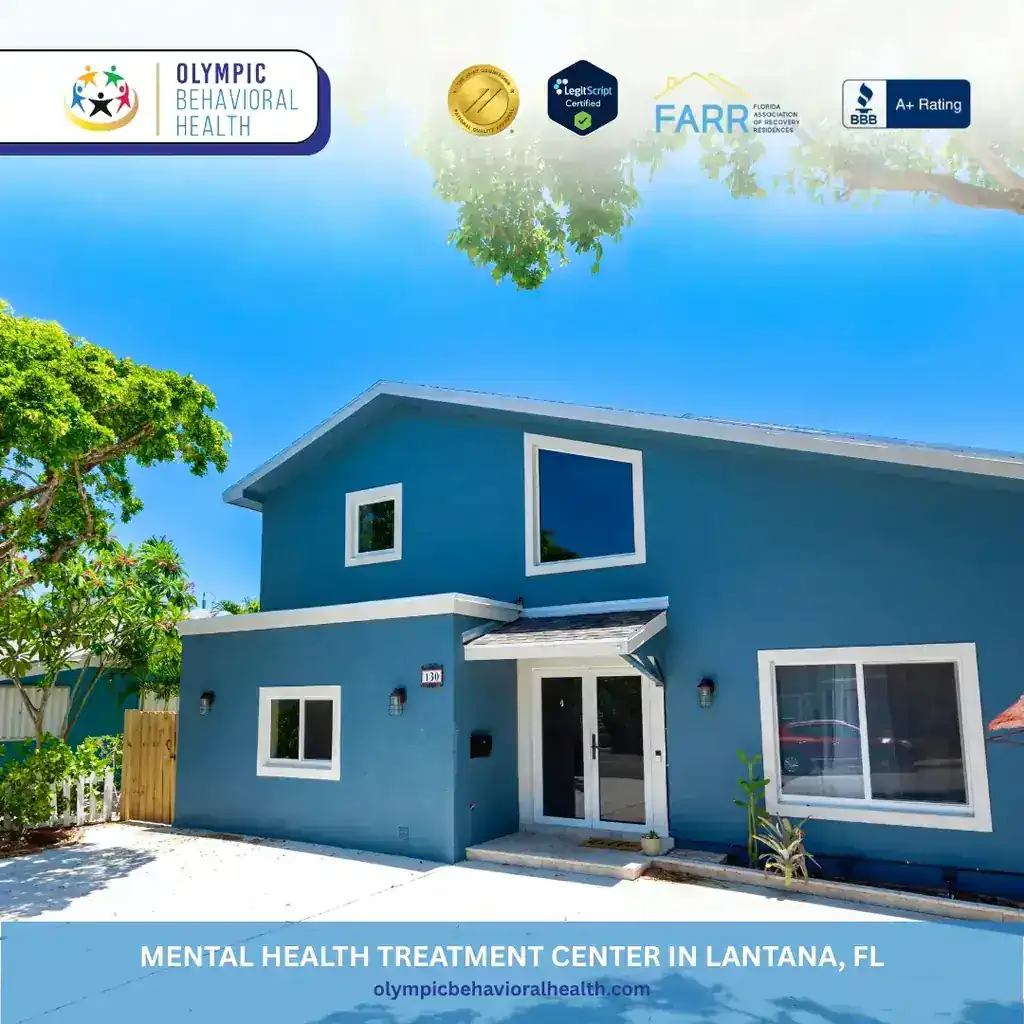
Adjustment disorder therapy is built on the event, the timeline and what stopped working, in weekly individual therapy of 50 minutes to 1 hour plus daily groups. Olympic Behavioral Health sets that plan at admission.
Naming the stressor accurately changes what gets worked on. Some stressors have ended and left a reaction behind. Others are still running, and the adjustment disorder plan has to account for that difference from the first session.
Levels of Care
How long adjustment disorder treatment runs is decided for each client rather than fixed in advance. Partial hospitalization and intensive outpatient average 30 to 45 days, outpatient runs four hours a week, and Olympic Behavioral Health places each client at the lightest level that will hold and reassesses that level at every step.
| Level of Care | Hours per Week | Schedule | Clinical Content | Admission Profile |
|---|---|---|---|---|
| PHP, Partial Hospitalization | 30+ hours | Seven days. Weekdays 9 AM to 3:30 PM, weekends 10 AM to 1 PM | Daily groups, individual sessions, psychiatric review, family therapy | Nothing functioning since the event |
| IOP, Intensive Outpatient | 9 to 12 hours | Monday to Saturday, 9 AM to 12 PM | Morning groups, weekly individual therapy, medication management | Working, and running on nothing |
| OP, Outpatient Adjustment Disorder Counseling | 4 hours | One 3-hour group each week | Group work, coping skills, relapse prevention | Steady enough, and not recovering |
The diagnosis carries a clock, and it cuts both ways. The DSM-5 places onset within three months of the stressor and resolution within six months of it ending. Where the reaction outlasts that, the assessment looks at what else is running, which is a reason to come early rather than a reason to wait.
Start Adjustment Disorder Treatment This Week
Same-day adjustment disorder admission at Olympic Behavioral Health is available when admission criteria are met, with next-day admission as the alternative.
Evidence-Based Therapies
Olympic Behavioral Health uses six methods for situational depression and anxiety: cognitive behavioral therapy, DBT skills training, group therapy, individual therapy, behavioral activation and medication management. The order is set with each adjustment disorder client at intake.
CBT works on the conclusions an adjustment disorder stressor produced about your future, which is the part that stays after the event has passed.
Distress tolerance and emotion regulation give each adjustment disorder client something usable while the stressor is still unresolved.
Adjustment disorder group meets daily on the mental health track. The events in the room differ and the shape of the week is the same, which is what makes the group effective.
Weekly one to one sessions where the event behind an adjustment disorder gets told once, in detail, to the Olympic Behavioral Health therapist who keeps the record.
Behavioral activation treats sleep, meals and a working week as adjustment disorder material, because a life event takes all three before it takes anything else.
Psychiatric medication management is provided in-house by a certified family nurse practitioner, and psychiatrist referrals are available.
Olympic Behavioral Health names no medication for adjustment disorder on this page, because prescribing follows the psychiatric evaluation.
Conditions Treated
The two adjustment disorder subtypes treated here are adjustment disorder with anxiety and adjustment disorder with depressed mood, and one client can carry both. Olympic Behavioral Health names which subtype applies at intake, because each subtype changes what the week works on.
Worry that arrived with the event and did not leave when the event did. Sleep goes first, then concentration, then the ability to plan anything.
Flatness, tearfulness and a shrinking week. Adjustment disorder with depressed mood is the subtype called situational depression outside a clinic.
Where low mood predates the event or outlasts the event by a long way, the plan treats major depressive disorder rather than adjustment disorder.
Where the event was threatening rather than merely difficult, adjustment disorder is the wrong frame, so intake screens for post-traumatic stress and routes to the trauma track.
Where drinking started after the event, Olympic Behavioral Health treats adjustment disorder and the substance use together on the dual diagnosis track. The program admits adults only, so younger clients are referred to a service equipped for them.
Insurance and Cost
Adjustment disorder counseling bills as an outpatient behavioral health benefit. Olympic Behavioral Health is in-network with TRICARE, works with PPO plans on out-of-network benefits, and confirms what adjustment disorder counseling will cost before admission rather than after the first week.
An adjustment disorder stressor that costs somebody a job costs them the coverage attached to that job, so the benefit check matters more here than the headline rate. Olympic Behavioral Health accepts Blue Cross Blue Shield, Aetna, Cigna, UnitedHealthcare, UMR, GEHA, Humana and Anthem on out-of-network PPO benefits.
INSURANCES WE ACCEPTTRICARE is the only in-network plan. Every other payer named is accepted on out-of-network PPO benefits. Olympic Behavioral Health does not accept Medicaid or Medicare.
Free and confidential. Olympic Behavioral Health admissions hours are 9 AM to 5 PM, Monday to Friday.
"*" indicates required fields
Secure and HIPAA compliant. No Medicaid or Medicare.
Why Olympic Behavioral Health
Olympic Behavioral Health starts adjustment disorder treatment with the event itself, named on the treatment plan. The stressor and the reaction need different work, and a stressor that is still running changes what the plan can ask of a client. Six things follow from starting there:
The treatment plan names the adjustment disorder stressor, its date and whether it has ended, so every clinician on the case works from the same account of the event.
Average stay at the intensive levels is 30 to 45 days, and outpatient at four hours a week is where most adjustment disorder clients finish rather than stop.
A nurse practitioner reviews medication on site, so an adjustment disorder client does not wait for an outside psychiatry appointment before treatment starts.
Olympic Behavioral Health checks every adjustment disorder client for depression, post-traumatic stress and substance use, because a second diagnosis changes the plan.
The primary therapist assigned at an adjustment disorder intake stays through PHP, IOP and outpatient, so a step down changes the hours and not the clinician.
Adjustment disorder group puts each client alongside others whose lives changed in the same month, which is a room almost nobody finds outside a clinic.
Admissions
Admission runs in four steps and about 30 minutes of phone time: a first call, a no-cost benefit check, a phone assessment, then intake and screening. Have the date of the event and an insurance card ready. The Olympic Behavioral Health clinical director approves each admission.
Olympic Behavioral Health admissions staff ask what happened and when. A relative can make the adjustment disorder enquiry instead.
An Olympic Behavioral Health benefit check returns the payable amount at all three levels of adjustment disorder treatment. It obligates nobody and takes minutes.
The event, the timeline, sleep, drinking and daily function are recorded by phone. That call settles which level of adjustment disorder care fits.
Paperwork first, then screening for depression, trauma and substance use alongside the adjustment disorder. Olympic Behavioral Health assigns a case manager and a primary therapist that day.
Same-day admission available, subject to criteria.
Frequently Asked Questions
Adjustment disorder resolves within six months of the stressor ending, which is the DSM-5 criterion. The seven questions below cover duration, situational depression, post-traumatic stress and whether a diagnosis is needed before calling.
The DSM-5 expects adjustment disorder symptoms to settle within six months of the stressor ending. Where the stressor continues, so does the reaction. Average length of stay at the two intensive levels at Olympic Behavioral Health runs 30 to 45 days.
Yes. Where a stressor is ongoing, such as a long illness or an unresolved legal case, adjustment disorder persists well past six months. Where the stressor ended long ago and the distress did not, an assessment usually finds a different diagnosis underneath it.
Adjustment disorder is tied to an identifiable event and is expected to lift. Major depression needs no trigger and often does not lift on its own. The distinction changes what gets prescribed and how long treatment runs, so intake establishes it before anything else.
Situational depression is the everyday name for adjustment disorder with depressed mood. It is not a separate diagnosis and appears in no manual, though it describes the experience accurately enough that most people arrive at Olympic Behavioral Health using it rather than the clinical term.
They are separate diagnoses rather than stages of one. PTSD follows a threatening event and carries intrusion and avoidance, while adjustment disorder follows any significant stressor. Olympic Behavioral Health screens for both at intake, and the answer changes which track applies.
No. Most people who call Olympic Behavioral Health in Lantana have no diagnosis and describe an event instead. The phone assessment takes about thirty minutes and costs nothing, and the clinical assessment at intake is what establishes whether adjustment disorder treatment is the right fit.
Adjustment disorder treatment runs at 3618 Lantana Road, Suite 200, Lantana, FL 33462. Exit 61 on I-95 reaches the building, and all three levels of adjustment disorder care run at this one Olympic Behavioral Health site.
Client Reviews
Clients and their families rate Olympic Behavioral Health 4.8 stars on Google. The reviews credit the therapist who stayed through every level change, the structure of the week, and staff who treated the event as the starting point. These are reviews of the whole program, written by the people who went through it.
Olympic saved my life. I didn’t know who Emma was when I got there and forget thinking I could ever love her, but after 3 months… I know Emma and I love her. Shoutout to all the staff, techs, my therapist Stephanie, SuSu, Bronson, Dom, Kim, Andi, Lee, Kyle, Gina, Jackie and everyone else that played part in me getting back to where I need to be, with my babies. I’ll never forget my time there. 🩷
Emma · Google review
Going to Olympic was the best thing I ever did, and it definitely saved my life! The staff is amazing and demonstrate that they truly care for the patients, and they make sure you have what you need to be successful in therapy as well as your after care. I highly recommend Olympic and I am proud to be a. Alumni!!!
Debra Hayes · Google review
I’m incredibly grateful for my time here. The people here are what make this place special. From the therapists to the support staff, everyone showed compassion and patience. They didn’t just treat me—they understood me. I’m leaving stronger, clearer, and with tools I’ll carry for the rest of my life.
Aaron Smith · Google review
My experience at Olympic Behavioral Health was excellent. Everyone from the management to the techs was kind, caring, and supportive. They really make a strong team at Olympic. They pay attention to the individual and support your recovery and goals. I am glad I ended up at Olympic.
Patrick Willis · Google review
Olympic is a great place for recovery from addiction and mental health issues. The staff is amazing. The facilitators and therapists work hard and truly care for the clients. I highly recommend this place. Thanks
Charles Taffe · Google review
Truly changed my life. Came from residential program feeling ready to return home but decided to step to Olympic before I made the journey home. Best decision I ever made. It truly strengthened everything I learned and provides an opportunity to put it into practice. If you come with the right mindset and attitude you will truly be grateful. Love all the staff and alumni the support is truly out of this world. Love you and miss you guys!
Joshua Redfern · Google review
Olympic saved my life! When I first got there, I was absolutely against it, but Meg and her crew did some things different for me and made the place to fit me so that I would stay. They made me feel welcome and comfortable Which is hard to do! But it’s been amazing success that we had is truly unprecedented. They’re friendly and they know what they’re doing. God bless them!
Dirk Sanders · Google review
Clinical Team
An adjustment disorder plan at Olympic Behavioral Health is written by a prescriber and a therapy team together. The prescriber manages medication, the therapists run the sessions, and the clinical director approves each adjustment disorder admission.
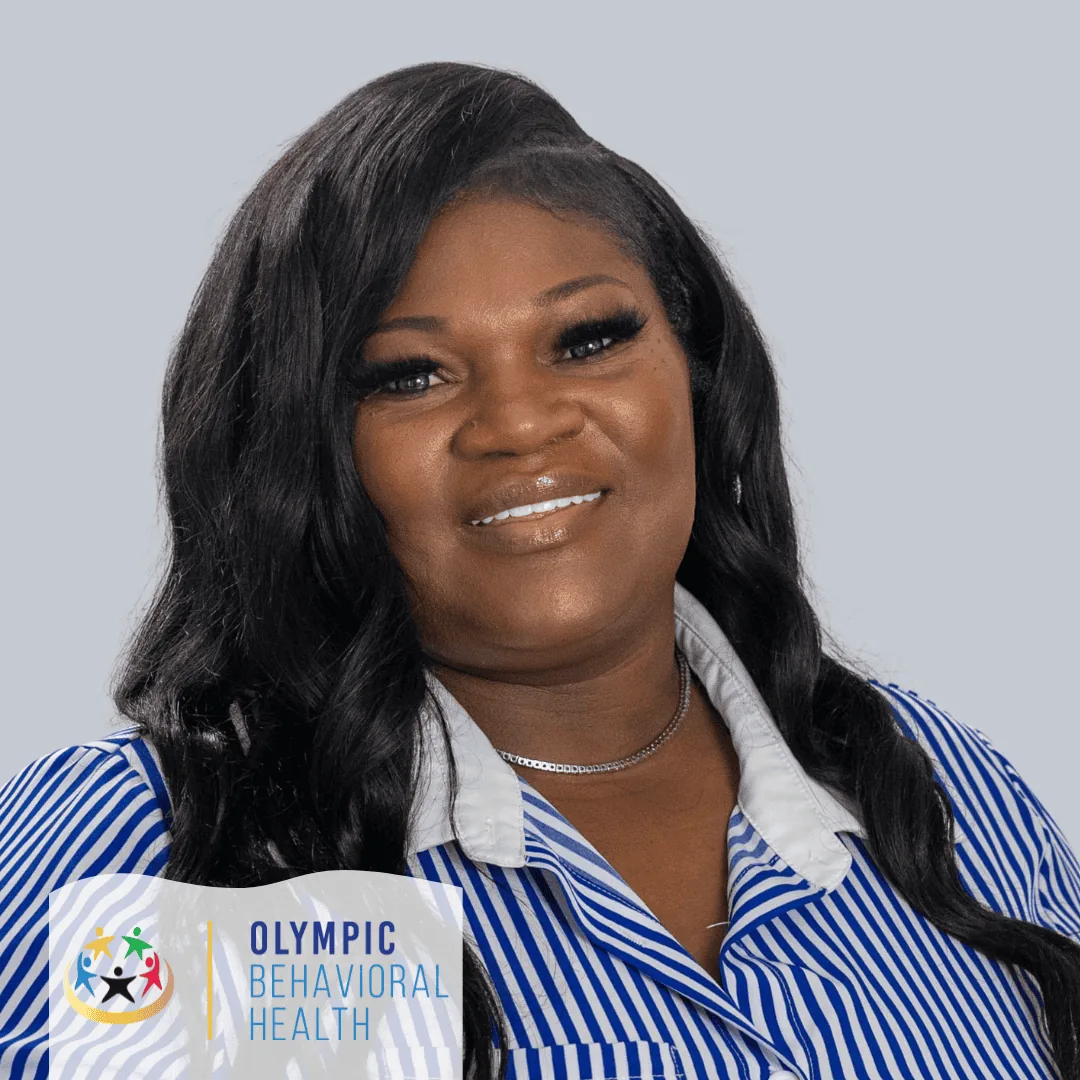
Sabina reviews medication on site as part of the psychiatric evaluation.
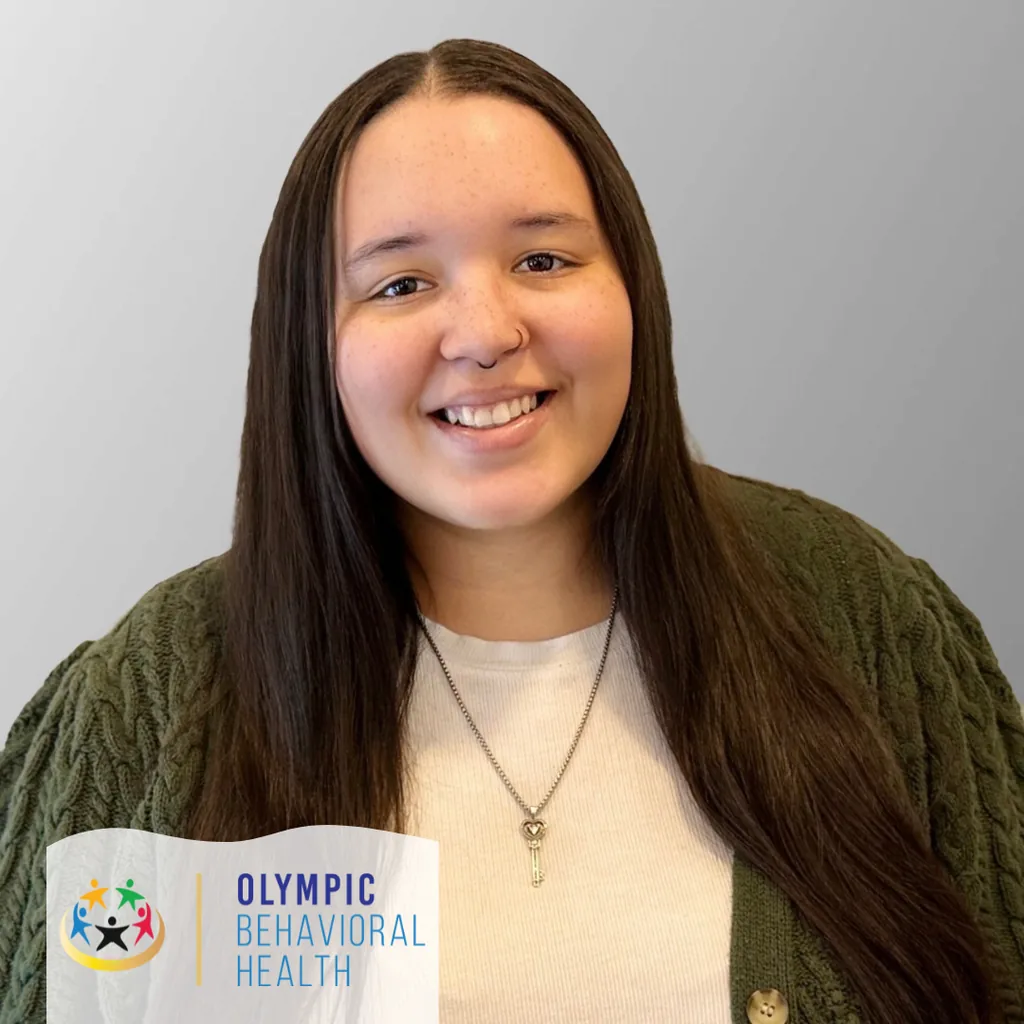
Stephanie works on triggers and the coping skills that hold between adjustment disorder sessions, and sees Olympic Behavioral Health clients on both tracks.

Adam takes the family side of an adjustment disorder case, and the drinking that starts after a life event.
Clinically reviewed by Sabina D. Thomas, APRN, FNP-C. Last reviewed August 14, 2026. Content on this page describes services at Olympic Behavioral Health and is not a substitute for individual clinical advice.
Visit Olympic Behavioral Health
Olympic Behavioral Health delivers adjustment disorder treatment from one Lantana site, serving Lake Worth, Boynton Beach, West Palm Beach and every other Palm Beach County community.
Sessions run at 3618 Lantana Road, Suite 200, Lantana, FL 33462. The Olympic Behavioral Health admissions line, 561-272-0800, is staffed 9 AM to 5 PM Monday through Friday. Five things are worth knowing before an adjustment disorder visit:
Emotional support animals are permitted at Olympic Behavioral Health.