Florida, home to over 22 million residents, faces a high burden of addiction and co-occurring mental health disorders. The state’s drug poisoning death rate stands at 30.8 per 100,000, significantly exceeding the national average, with fentanyl, methamphetamine, and cocaine among the leading contributors.
Although Florida’s economy is diverse and ranked among the largest in the U.S., healthcare disparities remain, particularly in behavioral health. 13.6% of adults with mental illness are uninsured, and all 67 counties are designated Mental Health Professional Shortage Areas.
Despite these challenges, Florida has a wide range of healthcare and rehabilitation resources, including peer-led recovery meetings such as 904 weekly NA groups and numerous AA meetings occurring daily across cities like West Palm Beach, Miami, and Orlando.
What is Florida?
Florida is a southeastern state in the United States, bordered by Georgia and Alabama to the north, and surrounded by the Gulf of Mexico to the west and the Atlantic Ocean to the east. Its strategic location includes major urban centers like Miami, Orlando, Tampa, and Jacksonville, which serve as key economic and transportation hubs through an extensive network of interstate highways, such as I-95 and I-75, and multiple international airports. Florida’s infrastructure supports statewide movement with public transit systems in metropolitan areas and robust access to care across both urban and suburban communities. This accessibility is crucial for individuals seeking treatment for addiction and co-occurring mental health conditions.
Florida is a southeastern state in the United States, bordered by Georgia and Alabama to the north, and surrounded by the Gulf of Mexico to the west and the Atlantic Ocean to the east. Its strategic location includes major urban centers like Miami, Orlando, Tampa, and Jacksonville, which serve as key economic and transportation hubs through an extensive network of interstate highways, such as I-95 and I-75, and multiple international airports. Florida’s infrastructure supports statewide movement with public transit systems in metropolitan areas and robust access to care across both urban and suburban communities. This accessibility is crucial for individuals seeking treatment for addiction and co-occurring mental health conditions.
What is Florida Known For?
Florida is known for its year-round warm climate, extensive coastline, and population exceeding 22 million. Over 1.3 million adults in the state experience both substance use and mental illness each year, which increases demand for integrated treatment solutions. Palm Beach County stands out as a major hub for recovery services, while all 67 counties are designated Mental Health Professional Shortage Areas, highlighting a widespread need for specialized dual-diagnosis providers. Florida remains heavily impacted by the opioid epidemic, with fentanyl and other substances contributing to high rates of overdose deaths.
What Are The Key Counties in Florida?
The key counties in Florida include Palm Beach, Miami-Dade, Orange, Hillsborough, Broward, Duval, and Leon counties, each serving as vital regional centers for behavioral health services and addiction treatment resources. These metropolitan areas feature major cities like Miami, Orlando, Tampa, Fort Lauderdale, Jacksonville, and Tallahassee, offering specialized care for co-occurring disorders, substance use treatment, and mental health programs.
The key counties in Florida are highlighted below:
Palm Beach County – Located in South Florida, Palm Beach County includes West Palm Beach, Boca Raton, and Delray Beach. The county is home to providers such as Olympic Behavioral Health and offers extensive 12-step meetings and recovery resources. Residents experience high rates of co-occurring disorders and drug overdose deaths
Miami-Dade County – As Florida’s most populous county, Miami-Dade includes Miami, Hialeah, and Miami Gardens. The county serves as a central hub for medical services, addiction and mental health programs, and supports multiple peer-led recovery group chapters.
Orange County – Home to Orlando and Apopka, Orange County supports a large population with behavioral health needs. Integrated treatment services address co-occurring disorders among working adults and college students.
Hillsborough County – Including Tampa, Plant City, and Temple Terrace, Hillsborough County features a growing network of behavioral healthcare providers and serves a high-risk population affected by substance use and mental illness.
Broward County – Broward County, which contains Fort Lauderdale, Hollywood, and Coral Springs, is a critical region for dual-diagnosis care and shows notable demand for treatment and overdose response services.
Duval County – Located in Northeast Florida, Duval County’s major city is Jacksonville. The county anchors regional addiction treatment resources and reports significant rates of opioid-related deaths and mental health concerns.
Leon County – Anchored by Tallahassee, the state capital, Leon County backs several state-funded behavioral health programs and serves a diverse population, including students and government employees, who require coordinated behavioral healthcare.
What is the Population of Florida?
The population of Florida is estimated at 23 million in 2025, reflecting steady growth from 12.9 million in 1990 and 18.8 million in 2010, driven by migration and natural increase. Florida now stands as the third most populous state in the U.S. The state features demographic diversity, with a large Hispanic and Black population, a median age of about 43, and significant income variation from wealthy coastal areas to rural counties with lower household incomes.
What is The Size of Florida?
The size of Florida is approximately 65,758 square miles, which equals about 170,312 square kilometers. This makes Florida the 22nd largest stateover 410 residents per square mile.
What is The Climate of Florida?
The climate of Florida is subtropical to tropical, with hot summers, mild winters, and high humidity levels throughout most of the year. Coastal proximity and abundant sunshine result in a warm environment that supports year-round outdoor activities but also increases risks associated with heat sensitivity, seasonal stress, and weather-related disruptions to mental and physical health routines. South Florida, where Olympic Behavioral Health is located, experiences extended warm seasons and frequent rain, especially during hurricane season, which typically spans June through November and can impact community resources and healthcare logistics.
What is Florida’s Economy and Job Market Like?
The economy and job market of Florida are strong and diverse, anchored by industries such as tourism, hospitality, healthcare, aerospace, real estate, and financial services. Major employers include Walt Disney World, large hospital networks, and aerospace firms. As of 2025, Florida’s unemployment rate is 3.7% with steady job growth over the past year. The cost of living in Florida is about 2% higher than the national average, with housing costs slightly above average, and healthcare and transportation expenses somewhat lower. The median household income is around $65,000. Population growth continues to drive economic expansion and opportunity across the state.
What Healthcare Facilities and Hospitals Are Available in Florida?
The key healthcare facilities and hospitals available in Florida are comprehensive, with major medical centers, specialized treatment facilities, and accessible services supporting diverse patient needs across the state.
The popular healthcare facilities and hospitals available in Florida are given below:
Major hospitals and medical centers – Florida features leading institutions such as Jackson Memorial Hospital (Miami), UF Health Shands (Gainesville), Tampa General Hospital, and AdventHealth Orlando, all providing advanced and specialized care.
Specialized treatment facilities – Facilities like Olympic Behavioral Health in West Palm Beach offer integrated care for substance use and mental health conditions with evidence-based therapies customized for recovery.
Accessibility of healthcare services – Urban areas have widespread hospital and outpatient care access, and Florida supports recovery with thousands of weekly 12-step meetings. State and federal programs continue to address provider shortages and access gaps in rural communities.
What Is The Quality Of Life Like In Florida?
The quality of life in Florida features a mix of strong educational resources, remarkable recreational options, and engaged communities. The education system includes public and private schools with statewide initiatives such as “The Facts. Your Future,” that directly educate students on substance abuse, equipping youth with resources for addiction awareness and healthier decision-making. Florida’s cultural and recreational attractions are exceptional, encompassing natural wonders like Everglades National Park, pristine beaches, and world-class theme parks in Orlando, as well as vibrant arts and nightlife in cities such as Miami and Tampa. Community engagement flourishes through programs led by major health institutions and partnerships, addressing public health, social well-being, and recovery. For example, local networks around universities and hospitals facilitate access to support, social services, and volunteer opportunities to boost overall wellness and inclusion.
What Is The Crime Rate In Florida And How Does It Relate To Substance Abuse?
The crime rate in Florida stands at about 2,160 incidents per 100,000 residents, highlighting a strong link between substance abuse and public safety. In 2023, emergency services responded to over 102,000 overdose calls across the state, with opioids like fentanyl causing a significant number of deaths. Drug-related offenses, including possession, distribution, and trafficking, make up a sizable portion of criminal activity, straining law enforcement resources. About 1.3 million adults in Florida experience both substance use disorder and mental illness, while access to integrated treatment remains limited. These factors underline the close association between addiction and crime throughout the state.
What Substances Are Commonly Abused In Florida?
The substances commonly abused in Florida are fentanyl, cocaine, methamphetamine, heroin, opioids, and alcohol. Florida’s drug poisoning death rate is 30.8 per 100,000, placing the state among those with the highest overdose rates nationwide.
The substances commonly abused in Florida are highlighted below:
Fentanyl – Fentanyl-related deaths in South Florida rose by 13% from 750 in 2017 to 851 in 2018. Cocaine was found in over 50% of fentanyl-related deaths between 2016 and 2018, making it a particularly dangerous combination.
Cocaine – Cocaine-related deaths in South Florida increased significantly from 431 in 2011 to 1,011 in 2018. In 2019, cocaine accounted for 15% of the 19,439 publicly funded treatment admissions in South Florida.
Methamphetamine – Methamphetamine-related deaths in South Florida actually decreased from 93 in 2017 to 84 in 2018. Methamphetamine accounted for only 1% of publicly funded treatment admissions in South Florida in 2019.
Heroin – Heroin-related deaths in South Florida decreased from 520 in 2017 to 358 in 2018. In 2019, heroin represented 14% of the 19,439 publicly-funded treatment admissions in South Florida.
Marijuana – Marijuana accounted for one-third of the 19,439 publicly-funded treatment admissions in South Florida in 2019, making it the most common substance for treatment admissions. In 2016, 85% of addiction treatment patients under 18 in South Florida cited marijuana as their drug of choice.
Alcohol – In 2016, 5.01% of people in Southern Florida reported past-year alcohol dependency, particularly in Miami-Dade and Monroe Counties. Among public school students in South Florida, 30.6% reported alcohol use in the past month in 2015.
What Are The Top Addiction Treatment Centers In Florida?
The top addiction treatment centers in Florida are Olympic Behavioral Health, Hanley Center, and Palm Beach Recovery Center, along with other premier facilities that provide comprehensive, evidence-based care for individuals struggling with substance use disorders and co-occurring mental health conditions. These leading treatment centers offer integrated therapeutic approaches, specialized clinical supervision, personalized recovery planning, trauma-informed care, and holistic wellness programs.
The top addiction treatment centers in Florida are given below:
Olympic Behavioral Health
Hanley Center
Palm Beach Recovery Center
Beachway Therapy Center
Daylight Recovery Center
Aspen Behavioral Health
Ambrosia Treatment Center
The Good Life Treatment Center
Addiction Recovery Institute of America (ARIA)
Reprieve Recovery Center
Headwaters
Renaissance Recovery Center
HEAL Behavioral Health
When selecting addiction treatment centers in Florida, it’s essential to choose a facility that offers dual-diagnosis capabilities, personalized treatment planning, and comprehensive aftercare support. For individuals seeking exceptional addiction and co-occurring mental health disorder treatment in Palm Beach County, we invite you to consider Olympic Behavioral Health, where we stand out for our integrated treatment approach, evidence-based therapies, and unwavering commitment to compassionate, individualized care.
How Does Olympic Behavioral Health treat substance addiction in Florida?
Olympic Behavioral Health treats substance addiction in Florida through comprehensive, evidence-based treatment programs designed to address both substance use disorders and co-occurring mental health conditions. Located in West Palm Beach, we offer flexible treatment options including Partial Hospitalization Programs (PHP) and Intensive Outpatient Programs (IOP) to accommodate individual needs and schedules. Our dual diagnosis treatment approach recognizes that many individuals struggling with addiction also face mental health challenges, providing concurrent treatment for both conditions to ensure holistic care and lasting recovery.
The treatment methods Olympic Behavioral Health uses in Florida are given below:
Partial Hospitalization Program (PHP) – High level of support with the ability to return home each day, providing intensive care in a structured environment.
Intensive Outpatient Program (IOP) – High level of support with more flexibility than PHP, allowing clients to maintain daily responsibilities while receiving care.
Dual Diagnosis Treatment Program – Specialized treatment for addiction and co-occurring mental health disorders, addressing both conditions simultaneously.
12-Step Facilitation Approach – A structured program that guides individuals through the healing steps of recovery, fostering understanding of addiction challenges.
Matrix Model – An integrative program that combines various therapeutic techniques to treat stimulant addictions effectively.
Brief Intervention Approach – A focused, time-limited treatment strategy designed to inspire rapid changes in behavior and coping strategies.
Contingency Management/Motivational Incentive – Uses positive reinforcement to encourage sobriety and adherence to treatment goals.
Alcohol Rehab Program – Tailored specifically for overcoming alcohol addiction, combining medical expertise with therapeutic support.
Heroin Rehab Program – Dedicated to addressing the unique challenges of heroin addiction with comprehensive medical and psychological support.
Men’s Rehab Program – Gender-specific treatment addressing the unique recovery needs and challenges faced by men.
Women’s Rehab Program – Tailored treatment addressing the specific needs of women in addiction and recovery.
Recovery Management for Addiction Treatment – Focuses on long-term recovery planning and support to sustain sobriety post-treatment.
Relapse Prevention Program – Equips individuals with skills and strategies needed to prevent relapse and maintain long-term recovery.
Vocational and Educational Training Program – Offered in partnership with Pathways2Work, helping individuals in recovery bridge the gap between overcoming addiction and achieving career goals.
Alumni Program – Provides ongoing support beyond the initial treatment phase, fostering continued connection and guidance.
Sober Living Home – Transitional housing program offering robust support and guidance for those transitioning back to everyday life after treatment.
Medical Detox – Provides medical supervision and support during withdrawal, making the process safer and more comfortable.
What Are The Best Local Resources For Addiction Recovery In Florida?
The best local resources for addiction recovery in Florida are various organizations, such as Olympic Behavioral Health, Hazelden Betty Ford Foundation, Recovery First Treatment Center, and programs like 12-step meetings and initiatives from the Florida Department of Children and Families. These resources offer integrated substance use and mental health care, comprehensive inpatient and outpatient programs, peer support groups, and statewide helplines.
The best Local Resources for Addiction Recovery in Florida include:
Olympic Behavioral Health (West Palm Beach) – Provides integrated substance use and mental health treatment with evidence-based therapies. Access via their website or 24/7 admissions helpline.
Hazelden Betty Ford Foundation (Naples) – Renowned for comprehensive inpatient and outpatient addiction care. Contact them directly through their website or admissions number for appointments.
Recovery First Treatment Center (Hollywood) – Offers inpatient, outpatient, and detox programs. Access services online or by phone for assessment and enrollment.
Jackson Behavioral Health Hospital (Miami) – Delivers specialized addiction and mental health services. Walk-ins and referrals accepted, with resources available through the Jackson Health System website.
12-Step Meetings (AA, NA, etc.) – Thousands of in-person and online Alcoholics Anonymous (AA), Narcotics Anonymous (NA), and other peer support meetings occur weekly across Florida. Meeting locators are available on the official AA and NA Florida websites.
Florida Department of Children and Families (SAMH/SOAR Program) – Statewide program connecting individuals to addiction recovery resources, including crisis intervention and ongoing support. Access online or by calling the SAMH helpline.
211 Florida – A free statewide helpline connecting individuals to substance use treatment, counseling, and housing. Dial 211 by phone or visit the 211 Florida website for assistance.
What Are The Best Addiction Support Groups In Florida?
The best addiction support groups in Florida include Alcoholics Anonymous (AA), Narcotics Anonymous (NA), SMART Recovery, Al-Anon and Alateen, and Family & Friends (SMART Recovery). These groups offer reliable peer support, accountability, and community for individuals and families dealing with substance use issues, with meetings held across the state both in person and online.
The top local addiction support groups in FL are given below:
Alcoholics Anonymous (AA) – The largest and most widely recognized support group for individuals coping with alcohol addiction, AA offers thousands of in-person and online meetings daily across Florida. You can access meetings near you through the AA Meeting Locator or local AA chapters.
Narcotics Anonymous (NA) – NA provides a supportive environment for those recovering from drug dependency. Meetings are available in all major cities and towns and can be found online via the NA Florida meeting search tool or at local community centers.
SMART Recovery – A science-based, secular support group, SMART Recovery focuses on self-management and recovery training for a range of addictive behaviors. Meetings are available in person and online, and are open to adults, young people, and families. Detailed meeting information is available through SMART Recovery’s website and local facilitators.
Al-Anon and Alateen – These groups support friends and family affected by someone else’s drinking or drug use. Meetings are held statewide and can be found using the Al-Anon Florida website or by contacting local treatment centers for referrals.
Family & Friends (SMART Recovery) – Tailored for loved ones of individuals with substance use disorders, these free group meetings offer practical tools, peer support, and coping strategies. They are accessible virtually and in some Florida communities through the SMART Recovery website.
How Florida is Addressing the Addiction Crisis?
Florida is addressing the addiction crisis through a comprehensive, multi-faceted approach that includes both regulatory measures and expanded treatment resources. The state established a prescription drug monitoring program in 2011 and adopted new regulations for independent pain-management clinics to combat the opioid epidemic. Florida’s OD2A-S program works specifically to prevent opioid-related harms and overdoses by collaborating with healthcare providers and health systems.
The government has actively expanded resources for opioid addiction treatment and recovery support, while also implementing targeted legislation and law enforcement strategies. Additionally, Florida has made naloxone more widely available as a life-saving intervention tool, recognizing it as a pivotal component in its overdose prevention strategy.
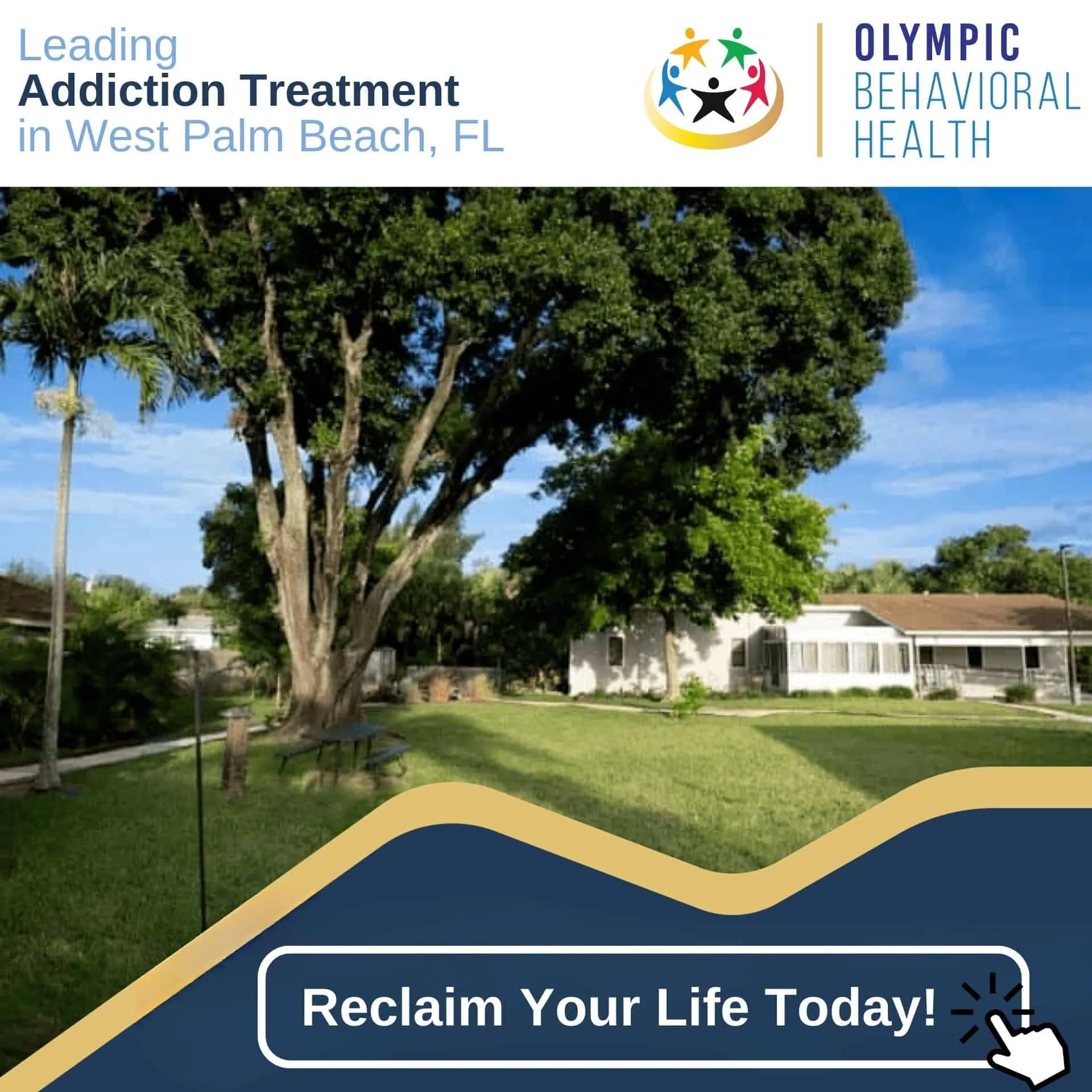
We accept most insurance plans
Our addiction treatment center is committed to helping those recovering from drug and alcohol addiction. We provide professional care and support to help you start your healing journey.
Insurance may not always be available so we offer alternative options to finance treatment. Trust us to provide the necessary help and support through every step of the process.







Please note that while we provide top-tier services, some major insurance plans may not include us in their network.
If you’re unsure about your coverage options or would like to learn more about available treatments, give us a call at 561-272-0800. Our team is available to assist you!
